Trusted by Europe's leading organizations






Enterprises rarely suffer from missing software; they suffer from systems that do not connect. DNA Solutions builds the integration layer between SAP, Oracle, AFAS and custom stacks, secures it with centralized identity, and develops the applications no vendor sells.
Trusted by Europe's leading organizations
Integration and custom development carry the least glamour and the most operational risk. DNA Solutions treats them as first-class engineering: production-grade middleware, reviewed access control, and applications designed around how your teams actually work.
We connect SAP, Oracle, AFAS, custom ERPs, payment gateways, and legacy stacks with production-grade middleware, battle-tested on systems that move millions of transactions every day.
Explore service →We secure enterprise infrastructure with centralized identity management and single sign-on. Our Keycloak architectures govern access across your applications and user directories.
Explore service →Off-the-shelf software forces your processes into someone else's workflow. We build custom enterprise applications, platforms, and system integrations designed around the way your teams actually work.
Explore service →Integration, identity and custom development rarely live apart: DNA Solutions designs the three layers as one architecture, with the same engineers from day one.
We treat middleware as a product with a long life: retry policies, dead-letter queues, daily reconciliation, and monitoring that flags issues before users do. BridgeSync has run a toll operator's SAP-AFAS exchange daily since go-live.
Same discipline across the pillar. Identity centralized in Keycloak, access decisions in one reviewed place. Custom software designed around real workflows.
The systems we connect are live, so new pipelines run in parallel until reconciliation proves a match.
We design technology that lands on your bottom line. European enterprises trust us with extreme data volumes and critical financial pipelines.
See Client ResultsBy optimizing software licensing fees for several European organizations, we delivered over €1M in annual cost savings.
We built and maintain a Deloitte-audited billing platform processing €300M in audited transactions every month.
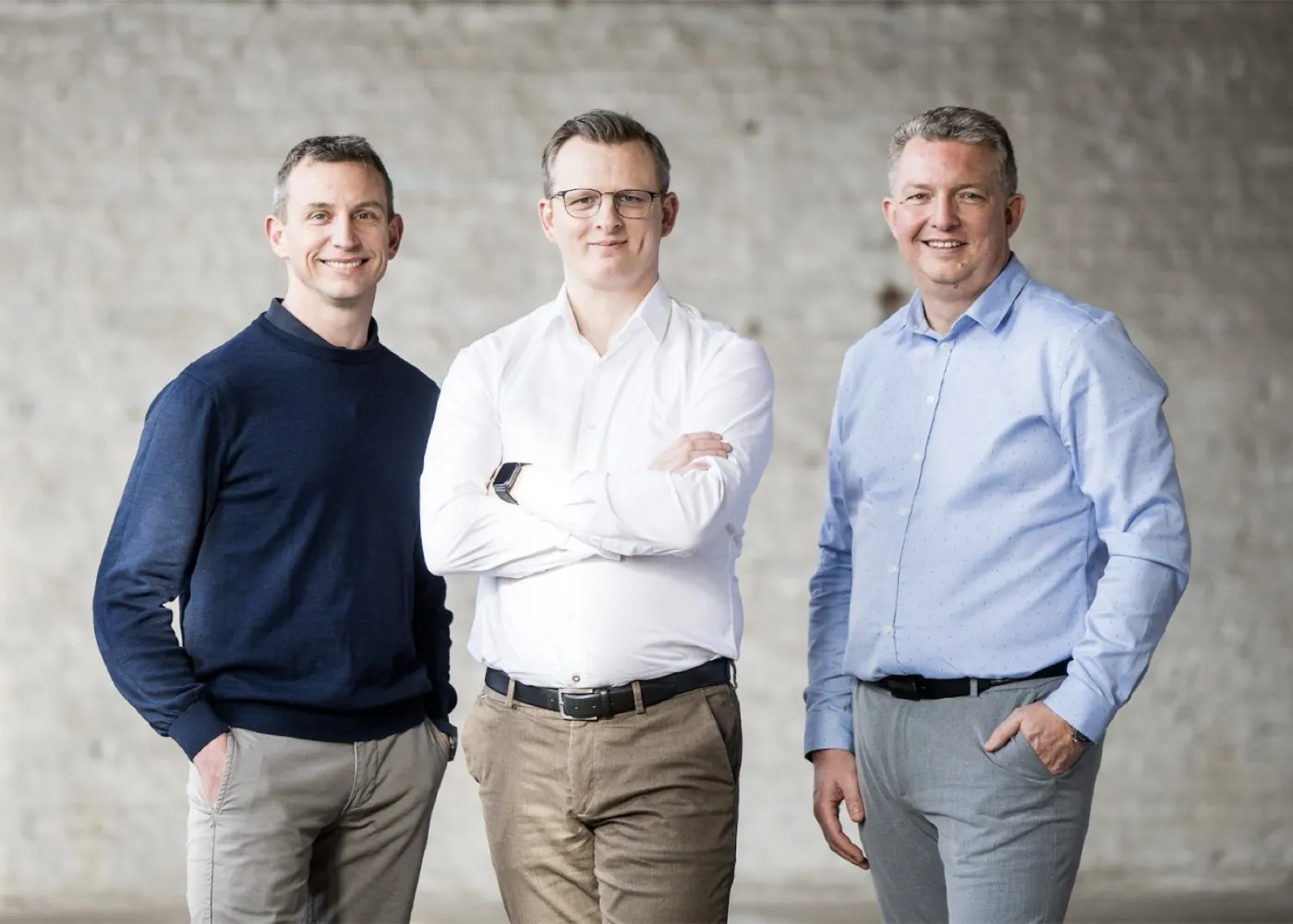
A senior team of engineers and consultants across Europe.
T-Systems, Satellic, European Commission: our longest engagements last because we deliver.
Connections and platforms running daily for European operators.
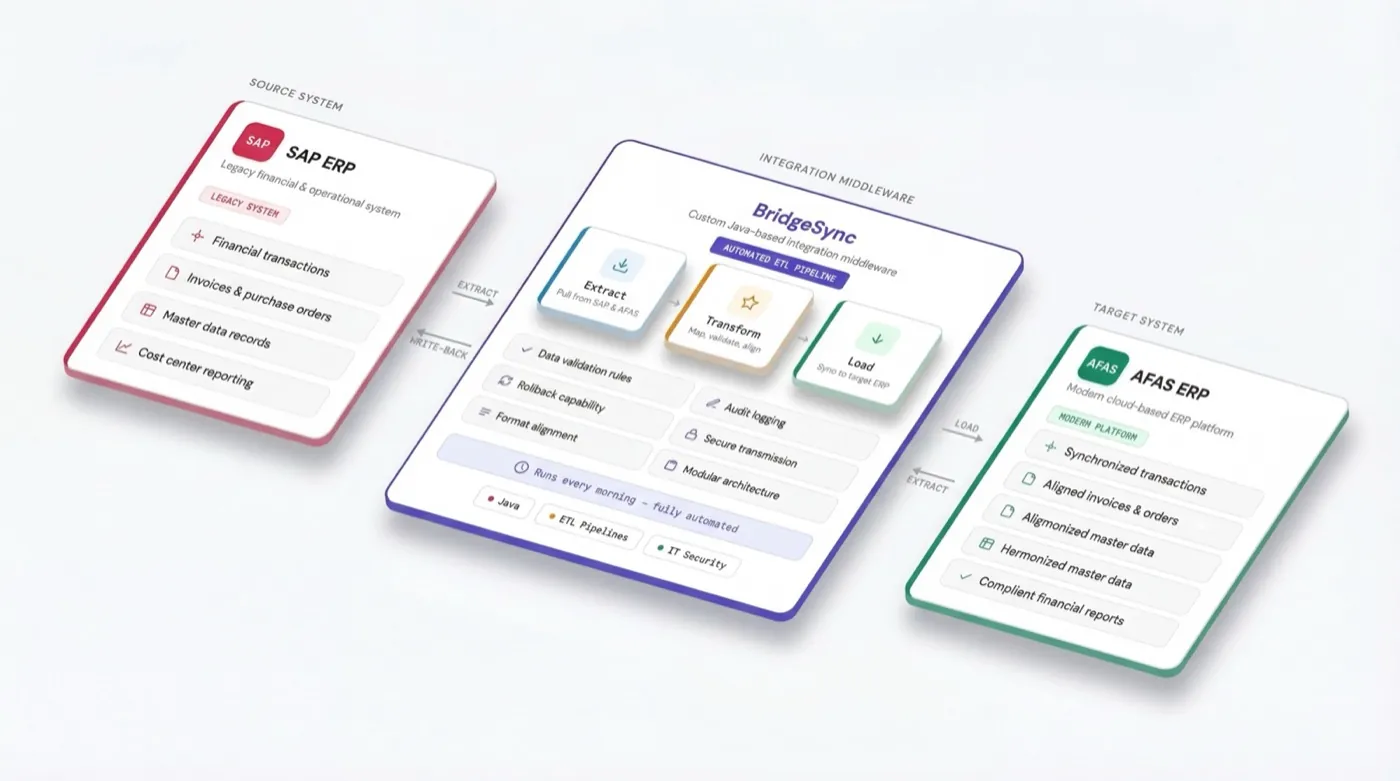
Satellic's finance team transferred data between legacy SAP and modern AFAS by hand every day, causing errors and compliance risk. We built BridgeSync, a custom middleware automating the entire flow.
Zero manual reconciliation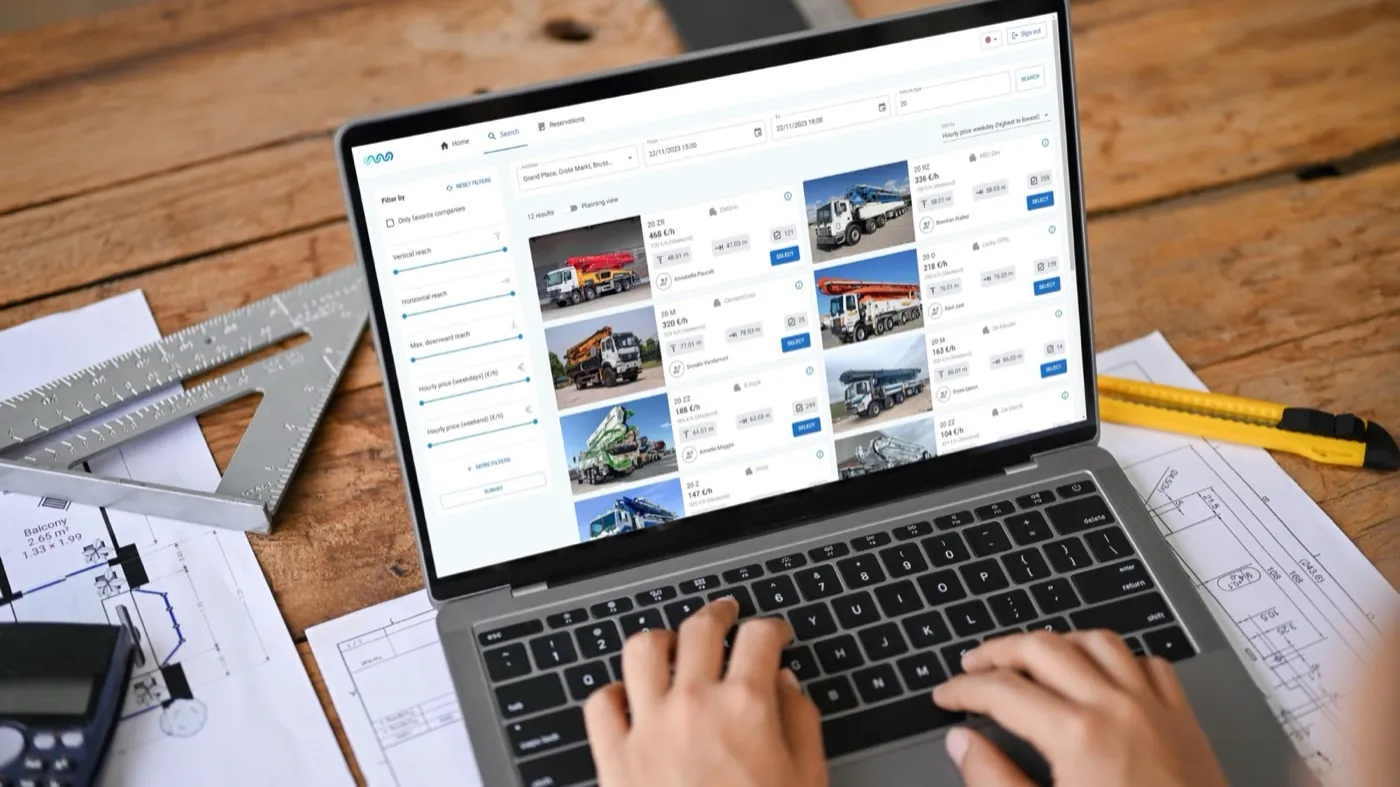
Belgium's concrete industry coordinates 270 plants and 2,200+ mixer trucks daily. We developed Concreteasy, a real-time coordination platform with GPS tracking and a mobile operator interface.
270 plants · 2,200+ vehiclesMost integration landscapes come down to a handful of recurring problems. These are the ones we have already solved for European operators, each running in production today. If your situation maps onto one of them, a large part of the design work is already proven; if it does not, the same engineering approach applies.
Discuss Your LandscapeAutomated daily reconciliation between SAP and AFAS, comparing records line by line so finance never closes the month on data that does not match. The BridgeSync pattern, in production for a national toll operator.
Connecting Oracle databases and applications to the financial and operational platforms around them, so an aging Oracle estate keeps serving the business while the rest of the stack moves forward.
Integrating payment service providers and gateways with billing and back-office systems, with the retry logic and reconciliation needed when every dropped message is money.
Many enterprises run an ERP built in-house years ago. We connect these custom systems to modern platforms without forcing a rewrite, preserving the logic the business depends on.
Designing and building clean APIs in front of systems that never had one, so newer applications, partners, and mobile clients can consume data without touching the platform underneath.
Message-based architectures such as Kafka that move data between systems in real time, with queues that absorb downtime on either side so a temporary outage never turns into lost records.
Senior decision-makers on the integration, tolling and back-office platforms we have delivered.
"I appreciated the collaborative spirit and the effort to deliver a reliable solution within a reasonable budget. The step-by-step approach with a demo before deployment made all the difference."

"DNA Solutions has delivered online tools that have made the client's employees and customers' lives easier. For instance, the client can now handle cases in a maximum of two days instead of five."

"DNA works with us to deliver digital systems at scale so that we can serve our customers digitally. They are both reactive to requests and proactive with ideas and proposals."

The answers we give most often when a team first walks us through its system landscape.
We start by mapping the landscape as it actually runs: which systems hold which data, where records are copied by hand, and which platform is the real source of truth for each flow. That map usually surfaces two or three connections causing most of the daily friction, and that is where we begin. The first integration runs in parallel with the existing manual process until reconciliation shows both produce the same records, then the manual step is retired. From there we extend connection by connection, in order of operational pain. You never sign up for a multi-year program on day one; each phase delivers a working connection your team uses before the next one starts.
You do. Everything we build, middleware, custom applications, Keycloak configurations, pipelines, is delivered with full ownership transferred to you. The code lives in repositories you control, the documentation describes how each connection works and how to operate it, and the runbooks cover the failure scenarios. There is no proprietary platform of ours sitting in the middle of your stack and no license fee attached to what we build. If you later decide to hand operations to your internal team or to another vendor, the handover material is already written, because we produce it as part of the delivery rather than as an afterthought.
A single well-scoped integration, one system connected to another with reconciliation and monitoring in place, typically goes to production in eight to twelve weeks. A centralized identity rollout with Keycloak runs on a similar scale, depending on how many applications need to be connected to it. Custom application development is more variable: a first usable version is usually live within a few months, then grows release by release with the teams using it. Larger landscapes are phased, so the calendar is really a sequence of these shorter deliveries rather than one long project. We give a concrete estimate after the mapping work, when we know what each connection involves.
That is your choice, and both paths are normal. Many clients keep us on a maintenance agreement: we monitor the integrations, respond when an alert fires, and adapt the connections when one of the underlying systems changes, which is the most common reason an integration breaks years after go-live. Several of the connections we built run in production this way today, BridgeSync among them. Other clients take over operations with their internal team, using the documentation and runbooks delivered with the project. Either way, the integrations are built to be operable: alerting, retry behavior, and recovery procedures are part of the delivery, so maintenance is routine work rather than archaeology.
That combination is the reason this service line exists. The three disciplines depend on each other constantly: a custom application needs the integration layer to feed it data and the identity layer to decide who sees what. When three vendors each own one piece, every design decision becomes a coordination meeting and every incident becomes a debate about whose side the problem is on. Our engineers work across all three, so the access model is designed together with the data flows, and the application is built against integrations we know in detail because we wrote them. For you it means one accountable team and one explanation when something needs to change.