Trusted by Europe's leading organizations





Most modernization programs fail by trying to replace everything at once. DNA Solutions audits what you run, plans the order of operations, and modernizes Oracle, SAP and legacy systems step by step while they keep serving production.
Trusted by Europe's leading organizations
An audit only has value if the recommendations survive contact with production. The consultants who write the DNA Solutions roadmaps are the engineers who then deliver them, so the plan is always one the team can execute.
Oracle, SAP, legacy billing: your enterprise infrastructure runs on systems built 15 years ago. We modernize legacy systems without breaking what works, with no big-bang rewrites and no operational downtime.
Explore service →Strategic IT consulting grounded in 15+ years of hands-on engineering across Oracle, SAP, and enterprise infrastructure. We audit, architect, and optimize your enterprise systems.
Explore service →Version upgrades, partial exits to PostgreSQL or cloud-managed databases, and licensing footprints brought back in line with what you actually use. We size the route during the audit and execute it workload by workload.
Explore service →The three services share one logic. IT consulting tells you what to change, in what order, and what each option costs, so the decision is based on evidence rather than vendor pressure. Legacy modernization carries that roadmap into production across Oracle, SAP and custom estates, one validated segment at a time.
Because Oracle environments are where most of these programs start, Oracle migration has its own practice, from version upgrades to a full exit toward PostgreSQL or the cloud. The same engineers work across all three services, so nothing is lost between recommendation and delivery.
Every modernization program starts by mapping what actually runs: the schemas, the dependencies, the workloads that carry the highest cost and highest risk. From that map we sequence the order of operations, so the lowest-risk workloads move first and the most critical flows move only once the approach has proven itself on your real data. There is never a big-bang rewrite. Legacy and target systems run in parallel, reconciled output by output, until each segment has earned its switchover.
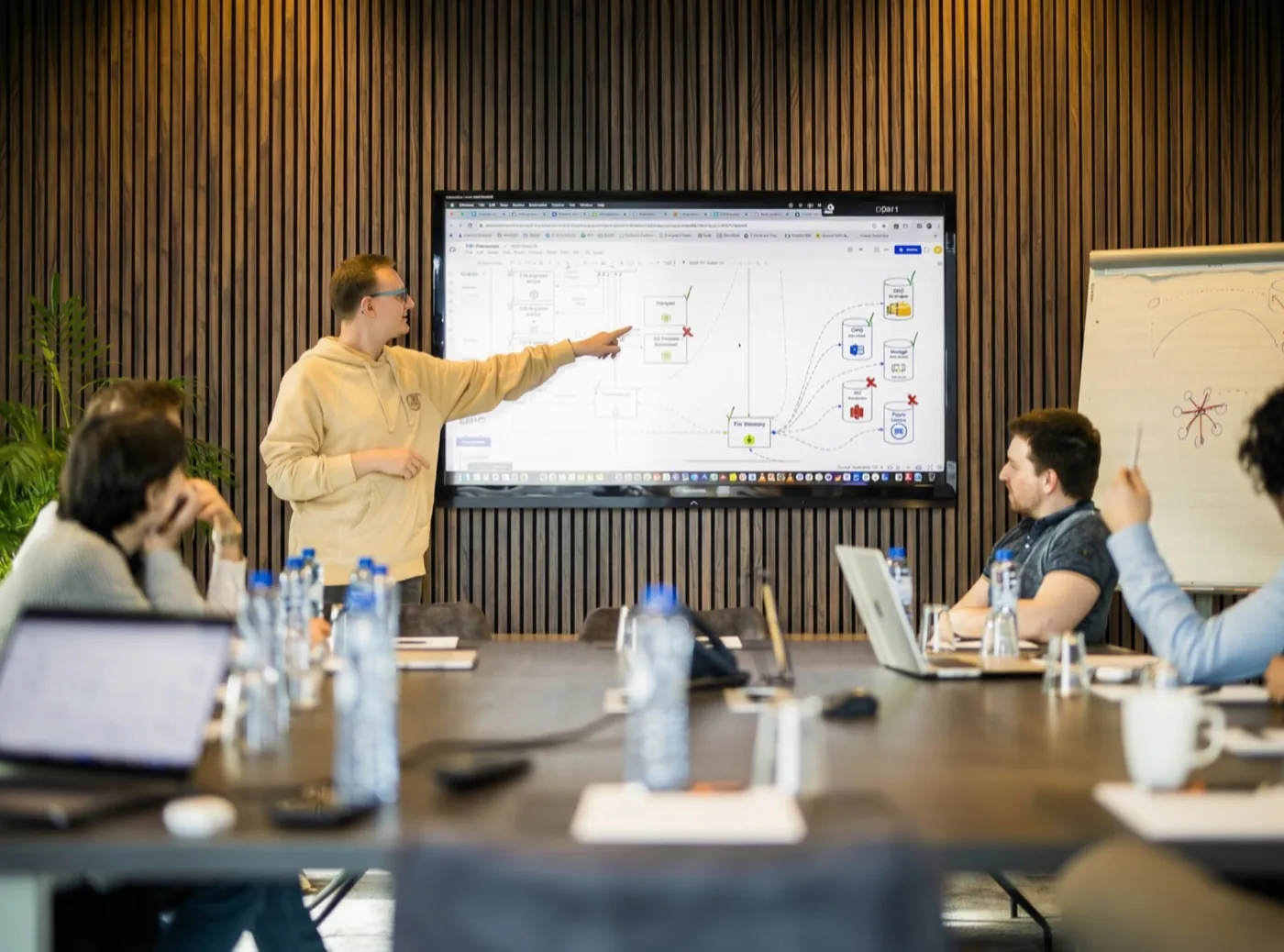
We design technology that lands on your bottom line. European enterprises trust us with extreme data volumes and critical financial pipelines.
See Client ResultsBy optimizing software licensing fees for several European organizations, we delivered over €1M in annual cost savings.
We built and maintain a Deloitte-audited billing platform processing €300M in audited transactions every month.
A senior team of engineers and consultants across Europe.
T-Systems, Satellic, European Commission: our longest engagements last because we deliver.
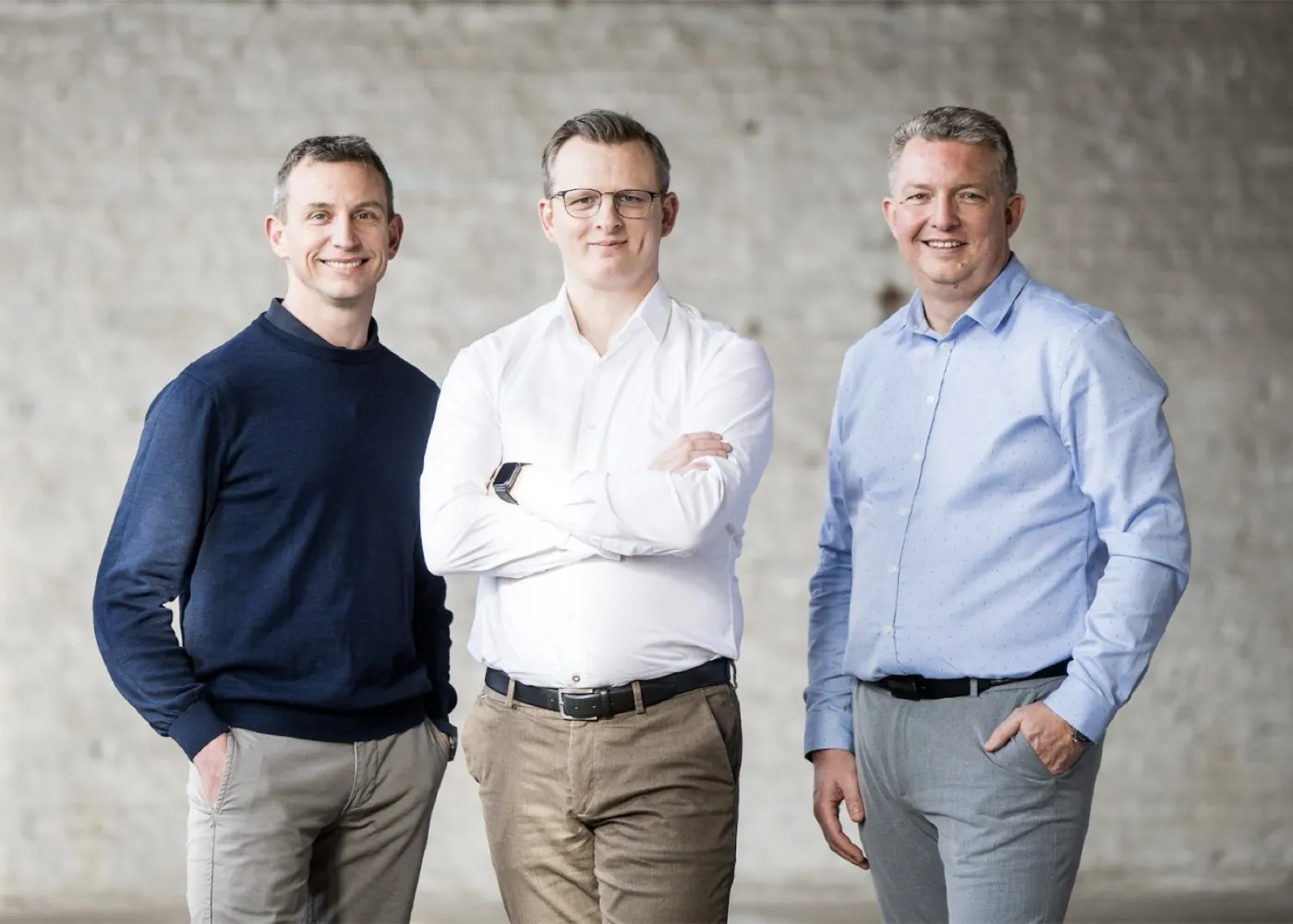
The same four phases structure every modernization program we run, whatever the platform underneath. Each one produces something you keep, even if you stop there: a documented estate, an executable plan, a migrated segment, or a team that runs the result on its own.
We inventory the estate as it really is, the documented parts and the undocumented ones. The audit maps schemas, integrations, batch jobs and the workloads that drive your licensing and infrastructure spend, then scores each one on business criticality and migration risk.
The roadmap turns the audit into an executable sequence: which workload moves first, what the target architecture looks like, where the rollback points sit, and what each stage costs. We deliberately front-load the low-risk, high-learning moves so confidence builds on real data before any critical flow is touched.
Execution follows the roadmap one stage at a time. Legacy and target systems run in parallel, synchronized through Change Data Capture, while automated scripts reconcile outputs row by row. A segment moves permanently only after both systems match, keeping production available and rollback limited to the segment in flight.
A modernized platform your team cannot operate is a new legacy system in the making. Through the program we pair with your engineers, document the target architecture and its operational runbooks, and hand over the monitoring and reconciliation tooling we built along the way.
Legacy estates moved to modern platforms while operations kept running. Two examples of what the audit-then-stage discipline produces in practice: an Oracle exit on the data side, and a full application rebuild on the web side, both delivered without interrupting the service users depended on.
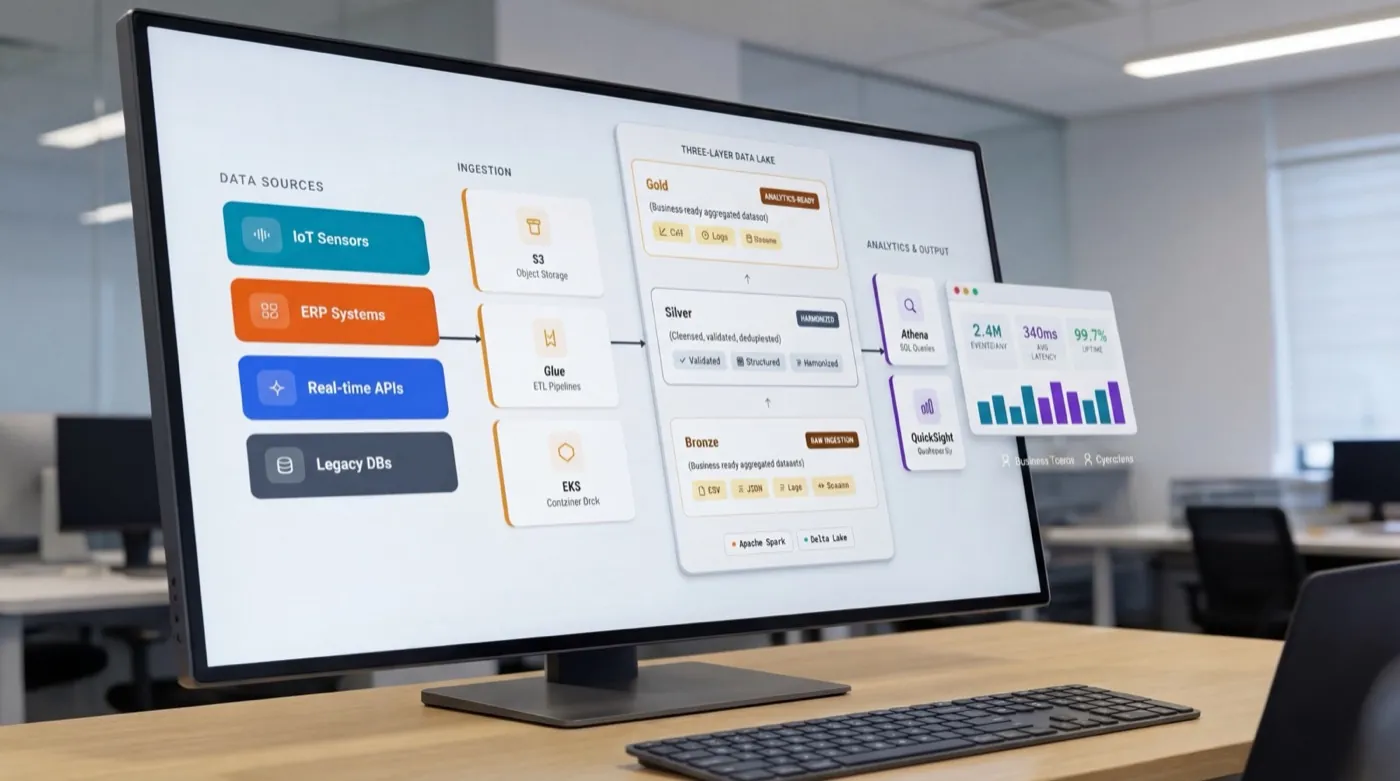
A European transportation operator ran analytics that took days across fragmented databases, with hard Oracle lock-in. We architected a cloud-native data lake on AWS.
Query latency: days → hours
The Commission's largest audiovisual portal ran on decade-old AngularJS while serving 34–36M views a year. We rebuilt it with a real-time, mobile-first stack over a six-year engagement.
34–36M views/yearSenior decision-makers on the infrastructure, tolling and financial platforms we have modernized.
"DNA works with us to deliver digital systems at scale so that we can serve our customers digitally. They are both reactive to requests and proactive with ideas and proposals."

"The quality of the people I worked with and the seriousness of the project management stood out. DNA built a backend and app for a highway toll system, and the human side of the company is truly remarkable."

"I appreciated the collaborative spirit and the effort to deliver a reliable solution within a reasonable budget. The step-by-step approach with a demo before deployment made all the difference."
The points most IT leaders want settled before committing to a modernization track, answered the way we answer them on a first call.
The consulting work produces decisions: an audit of what you run, a quantified view of cost and risk, and a roadmap that sequences the changes. The execution work then delivers those changes in production: migrating databases, decoupling applications, running the parallel-validation discipline until each switchover is safe. You can buy them separately. Some clients take the audit and roadmap and execute with their own teams; others bring us in for delivery on a plan they already trust. What stays constant is that both sides are staffed from the same engineering bench, so the recommendations are always ones the people writing them know how to build.
It depends on the size and criticality of the estate, but the shape is consistent. The audit takes four to eight weeks. A focused database migration, a single Oracle workload moving to PostgreSQL for example, typically lands within a few months of phased moves. A full enterprise program covering databases, applications and the integration layer spans several months to a couple of years, because each segment is validated against the legacy system before it moves permanently. Continuous modernization of a large live platform can run much longer: our engagement on the European Commission's audiovisual portal ran six years while the portal kept serving tens of millions of views annually.
By never betting on a single cutover. The legacy and target systems run in parallel, synchronized through Change Data Capture, and automated scripts reconcile the outputs of both systems row by row at every processing cycle. A client segment moves permanently only once the new platform matches the legacy output, and until that point the legacy system remains the source of truth, so the migration stays reversible. Any issue is contained to the segment in flight rather than the whole estate. This discipline is how DNA Solutions has migrated billing and transaction pipelines that could not afford a minute of downtime, and it applies to every program regardless of size.
Start with the audit, and resist the urge to pick a target architecture first. Most aging estates have two or three workloads that concentrate the bulk of the licensing cost, the operational risk, or both, and those are rarely the ones people assume. The audit identifies them, quantifies what standing still costs, and ranks the candidates by effort against impact. From there the first move is usually a low-risk, high-learning migration that proves the approach on real data before anything critical is touched. If the audit concludes that the right answer is to upgrade in place rather than migrate, that is what the roadmap will say.
No. The phases are designed to be valuable on their own. The audit is a standalone deliverable that improves your position whether or not you continue: a documented map of your estate, its risks and its costs. The roadmap is written to be executable by any competent team, including yours. And execution itself is staged, so you can pause after any segment with production intact and the value of the completed stages already banked. Most clients do continue through the full program, but that should be because each phase earned the next one, never because an early commitment made stopping impossible.