★★★★★ 4.87/5 on Sortlist, See client reviews

Oracle migration with lower cost and risk

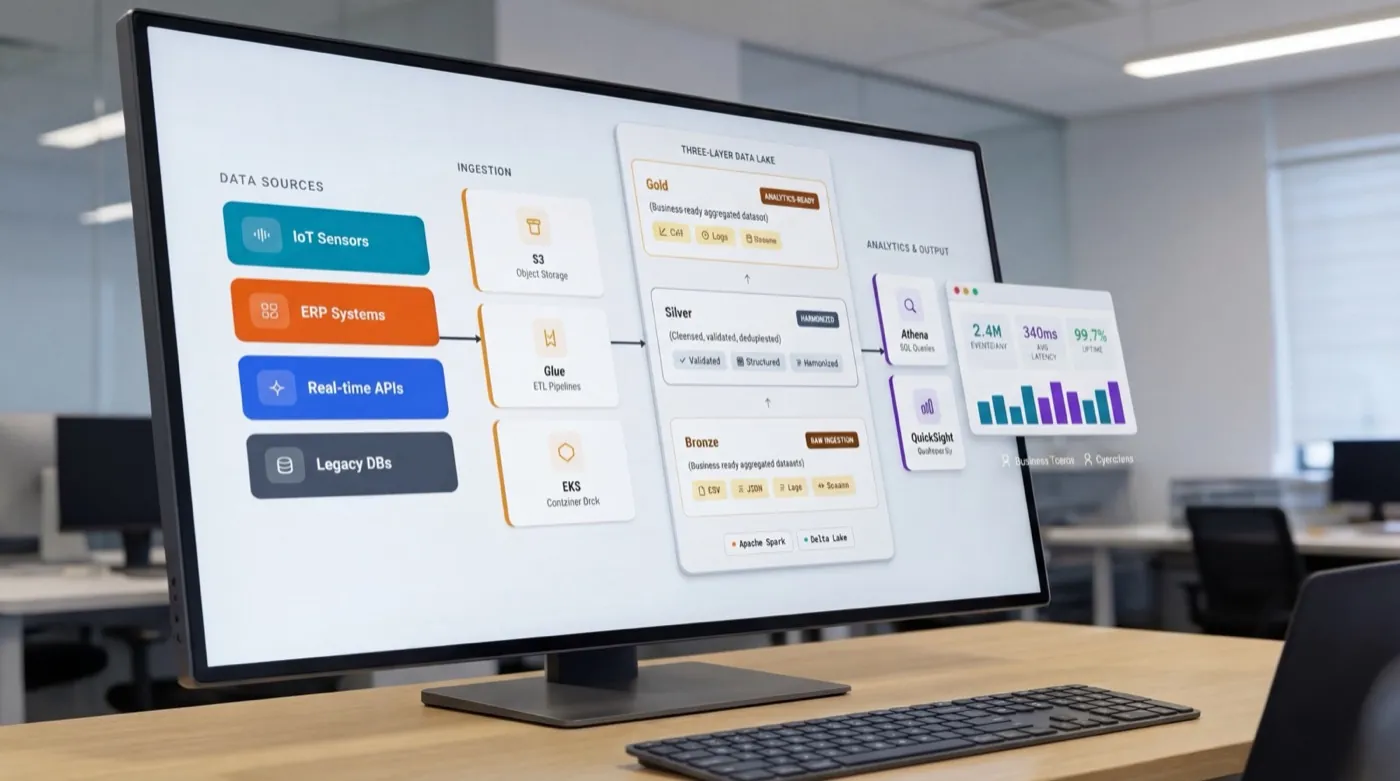
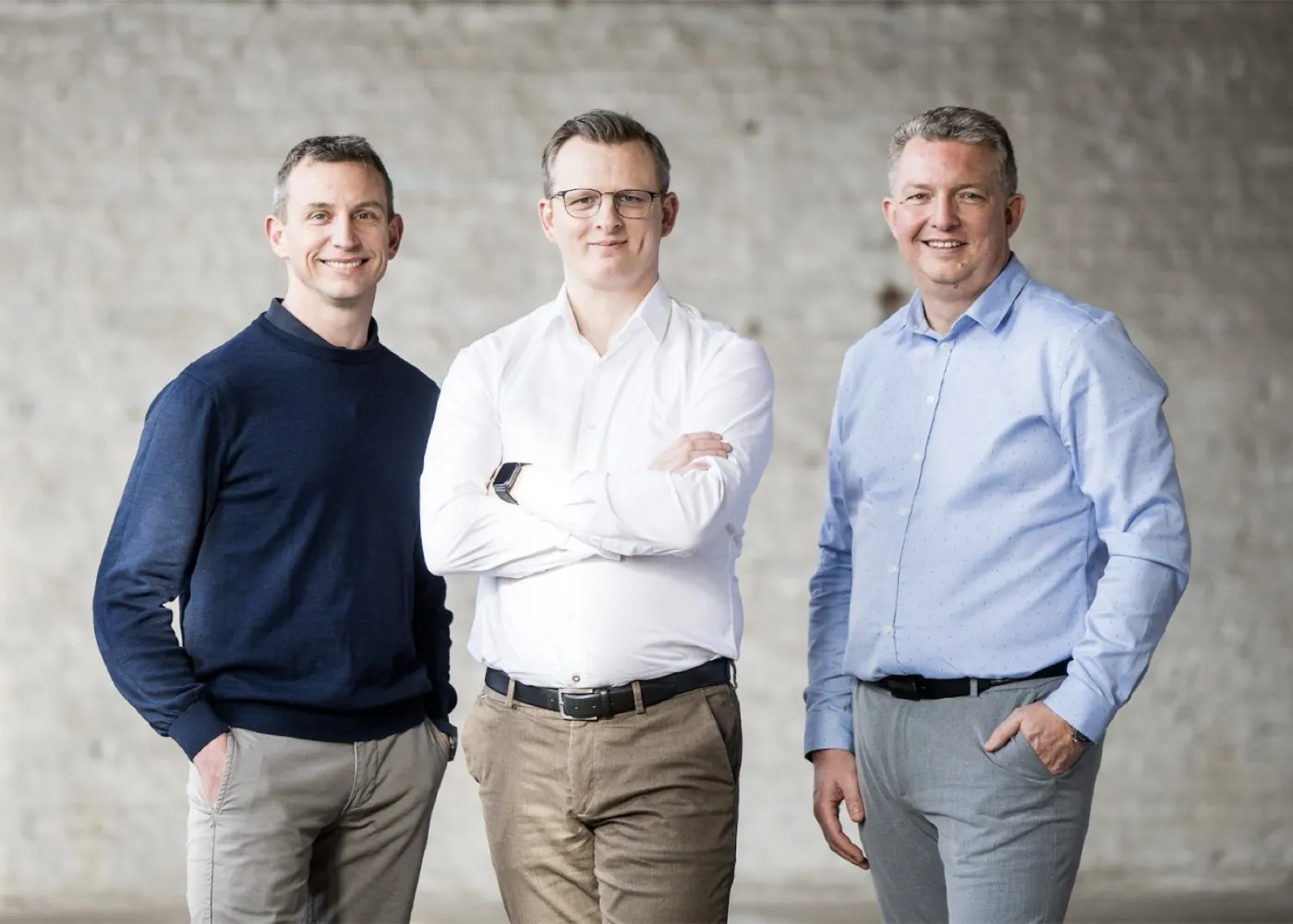
DNA Solutions plans and executes Oracle migrations for European enterprises: version upgrades, selective moves to PostgreSQL and cloud databases, and license footprints trimmed to what you actually use. Our founders administered Oracle environments in production for years before they started migrating them, so every plan we propose has already survived contact with a real estate.

Rising costs in aging Oracle systems

Versions drift out of Premier Support while the licensed footprint keeps growing: options nobody switched off, processor counts sized for peaks that no longer exist, environments cloned for projects that ended. DNA Solutions treats both problems in one Oracle migration plan: we upgrade the workloads that should stay on Oracle, replatform the workloads that should leave, and shrink the licensed perimeter around what remains, scoped by engineers with 15+ years of database administration.
DNA Solutions
by the numbers

We design technology that lands on your bottom line. European enterprises trust us with extreme data volumes and critical financial pipelines.

See Client Results
Cost
€1M

Annual savings across European clients

By optimizing software licensing fees for several European organizations, we delivered over €1M in annual cost savings.

Scale
€300M

Monthly audited transactions

We built and maintain a Deloitte-audited billing platform processing €300M in audited transactions every month.

Team
38+

Engineers & consultants

A senior team of engineers and consultants across Europe.

Trust
6 years

Average client relationship

T-Systems, Satellic, European Commission: our longest engagements last because we deliver.

Inside an Oracle migration plan

Every engagement covers four disciplines. Skip any one of them and an Oracle migration turns into an outage with a project number.

Estates still running 11g, 12c or 18c carry extended support fees and an expanding security backlog. We bring them to a supported release such as 19c, with patch baselines defined up front and optimizer behavior tested before the switch, because an upgrade can change execution plans even when the schema stays identical. Upgrades are rehearsed on a cloned environment against your real workload, then staged through standby databases so the production system keeps serving traffic while the new release proves itself.

Before anything moves, we inventory what you actually pay for: options and management packs against real usage, processor counts against current hardware, named-user metrics against active accounts, and non-production environments that quietly count as licensed deployments. The output is a map of the perimeter you can drop without losing a single feature your applications depend on. This discipline has removed up to €1M in yearly software licensing fees for some of our clients, and the audit sizes your own figure before any commitment.

When a workload leaves Oracle for PostgreSQL or a cloud-managed database, logical replication keeps source and target synchronized while both stay live. Applications are repointed one at a time, only after reconciliation between the two databases comes back clean. Until that moment the Oracle system remains the source of truth, which means rollback is a configuration change rather than a recovery operation: the original database never stopped running. Transaction-critical estates get a rehearsed rollback procedure for every cutover step.

A migrated database has to behave like the original, and that claim needs evidence. We compare schemas object by object, reconcile row counts and checksums across the full dataset, and capture query plans and latency baselines on the source so the same workload can be replayed against the target. Stored procedures and PL/SQL logic rewritten for the new engine are tested against recorded production inputs. Sign-off happens when the target matches or beats the baseline, with the measurements on the table.

Oracle upgrade, replatforming or exit

There is no single right answer for an Oracle estate. We assess workload by workload, then combine three routes into one program with continuity as a fixed constraint.

Plan Your Migration

In-place Oracle version upgrades

For workloads that belong on Oracle, we move aging releases to a supported baseline, rehearsed on cloned environments and staged through standby databases so production keeps serving traffic.

Selective migration to PostgreSQL

Workloads without hard Oracle dependencies move to PostgreSQL or cloud-managed databases under continuous replication, with reconciliation proving each one before its applications are repointed.

License perimeter reduction

An audit of options, packs, processor counts and environments identifies the licensed scope you can drop, whether or not a workload moves. Savings are sized on your contracts before any decision.

Oracle migration constraints by sector

A billing database and a toll-charging database both run on Oracle, yet their migration calendars look nothing alike. Regulation, audit cycles and traffic patterns set the sequence.

Oracle migration projects delivered by DNA Solutions

Two engagements where aging Oracle and legacy infrastructure was replaced or rebuilt while the platform stayed live for its users.

What clients value about our work

Senior decision-makers on the infrastructure, tolling and financial platforms we have modernized.

★★★★★
"DNA works with us to deliver digital systems at scale so that we can serve our customers digitally. They are both reactive to requests and proactive with ideas and proposals."
Peter Hopkins
Peter HopkinsHead of financial platforms Tolling, T-SYSTEMS
★★★★★
"The quality of the people I worked with and the seriousness of the project management stood out. DNA built a backend and app for a highway toll system, and the human side of the company is truly remarkable."
Renaud Dwelshauvers
Renaud DwelshauversDirector, DWEL CONSULTING.
★★★★★
"I appreciated the collaborative spirit and the effort to deliver a reliable solution within a reasonable budget. The step-by-step approach with a demo before deployment made all the difference."
Alexander Haye
Alexander HayeBusiness Transformation Manager, SATELLIC NV.

Questions about Oracle migration

What DBA managers and infrastructure leads ask us before committing to a plan.

No, and most of our clients should not. We assess the estate workload by workload. Systems with deep PL/SQL logic, RAC dependencies or vendor software certified only against Oracle usually stay, upgraded to a supported release and trimmed of unused licensed options. Workloads that use the database as plain relational storage are the natural candidates for PostgreSQL or a cloud-managed engine, where the licensing cost disappears entirely. The deliverable of our assessment is a per-workload recommendation with both scenarios costed: what it takes to keep it on Oracle properly, and what it takes to move it. Sometimes a version upgrade plus a license cleanup beats a migration on every axis, and when that is the case we say so.

Through continuous logical replication between the Oracle source and the target database. Both systems stay live during the entire transition: the source keeps serving production while every change it processes is replicated to the target in near real time. Applications are repointed in small groups, each one only after automated reconciliation confirms that the two databases agree on the data that application touches. Because the Oracle system remains the source of truth until the final switchover, rolling back means repointing a connection string to a database that never stopped running. For transaction-critical estates we rehearse that rollback before every cutover step, so the procedure under pressure is one the team has already executed.

The audit reconciles your Oracle contracts with what actually runs: enabled options and management packs against real feature usage, processor licenses against current core counts and virtualization setup, named-user metrics against active accounts, and the test or standby environments that count as licensed deployments more often than teams expect. From there we identify scope you can drop without touching functionality, workloads whose move to PostgreSQL would end their licensing cost, and consolidations that shrink the footprint of what stays. This work has removed up to €1M in yearly software licensing fees for some of our clients. Your own figure depends entirely on your contracts and usage, so we size it during the audit and present it before you commit to anything.

With measurements, captured on both sides. Schema conversion is verified object by object, then the data itself is reconciled through row counts and checksums across the full set rather than a sample. On performance, we record query plans, latency distributions and throughput on the Oracle source under real production load, then replay the same workload against the target and compare. Stored procedures and PL/SQL logic rewritten for the new engine are tested against recorded production inputs and expected outputs. Acceptance is defined numerically before the migration starts: the target must match or beat the source baseline on the agreed metrics. If a query regresses, it is tuned or the cutover for that workload waits.

It depends on the route. A version upgrade on a single estate typically runs a few weeks from rehearsal to production switch. A selective replatforming to PostgreSQL is a program of several months, because each workload goes through replication, reconciliation and performance validation before its applications are repointed, and the lowest-risk workloads move first to build confidence on real data. A full exit from a large estate spans phased moves over a year or more. What we never propose is compressing that sequence into a single weekend cutover for a transaction-critical system: the calendar buys you reversibility, and reversibility is what keeps a migration from becoming an incident.

Review your
Oracle migration priorities

A short call to discuss your current legacy dependencies and modernization objectives, with no obligation. We respond within one business day.

Meet an Expert