€1M
Annual savings across European clients
Software licensing savings of up to €1M per year for some of our clients.
Design document AI with an explicit boundary between the classification model, OCR, hosting and integrations. Assess data control and operating requirements for the complete workflow.
Control over a classification model is one part of a document-processing architecture. We propose a review of OCR, hosting, data transfers, access controls and integration dependencies alongside model evaluation. The target design must address the complete workflow and the people responsible for operating it.

We build and maintain AI, data and billing infrastructure for European enterprises with regulated workloads and high-volume transaction systems.
A senior team of engineers and consultants across Europe.
Software licensing savings of up to €1M per year for some of our clients.
We built and maintain a Deloitte-audited billing platform processing €300M in audited transactions every month.
Several clients have worked with DNA Solutions for six years. We continue to develop and support their software as their needs evolve.

We build the pipeline inside your cloud and your jurisdiction. Each capability below is measured on a sample of your own documents before any wider rollout.
The pipeline parses invoices and structured documents at volume, extracting line items, totals and reference fields automatically into your downstream systems. We build it on OCR with Tesseract and tune feature extraction to the recurring formats your operations generate most.
Select and evaluate a classifier for the document categories in the workflow. Use representative labeled examples, hold-out tests and error analysis to compare approaches. Define acceptance criteria before deployment. Model ownership does not by itself establish control of OCR, infrastructure, integrations or the complete document-processing pipeline.
The pipeline extracts dates, parties, amounts and document types from unstructured files. This metadata feeds search, indexing and audit trails at the precision controlled workflows require. Every field remains traceable to its source page, giving downstream teams reliable data and auditors a complete lineage.
For the document classes where an error carries cost, the pipeline routes low-confidence predictions to a human reviewer before the result moves downstream. We set the confidence threshold per document type, so the bulk of clean documents flow through automatically while edge cases land in a review queue.
Custom AI built for European enterprises and deployed inside private clouds, with no OpenAI or hyperscaler dependency. The three workloads below cover document classification, per-type extraction and structured metadata, each model sized to the precision the workflow requires.
What We BuildParsing invoices and structured documents at volume, extracting line items, totals and reference fields into downstream systems. Built on OCR with Tesseract and feature extraction tuned to your recurring formats.
Compare classification approaches on your document categories. Define test data, acceptance criteria and integration requirements before choosing the deployment architecture.
Extracting structured metadata from unstructured documents: dates, parties, amounts and document type. Output feeds search, indexing and audit trails with the precision audited workflows require.
Telecom, retail and toll infrastructure each handle different document classes. The model trains on your own data, inside your own cloud, and the data never leaves it. How the pipeline is tuned per sector:
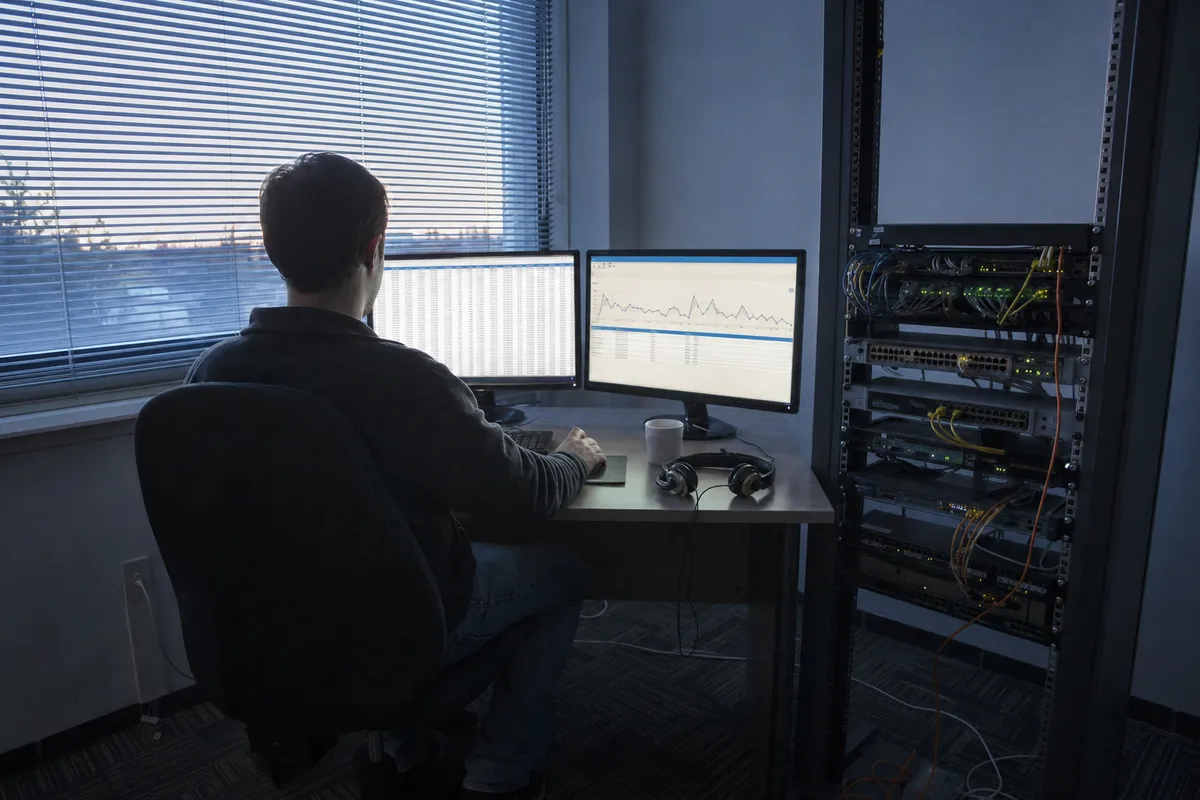
Classifying and extracting data from billing records, contracts and operational documents across telecom and media workflows, at the volumes operators generate.
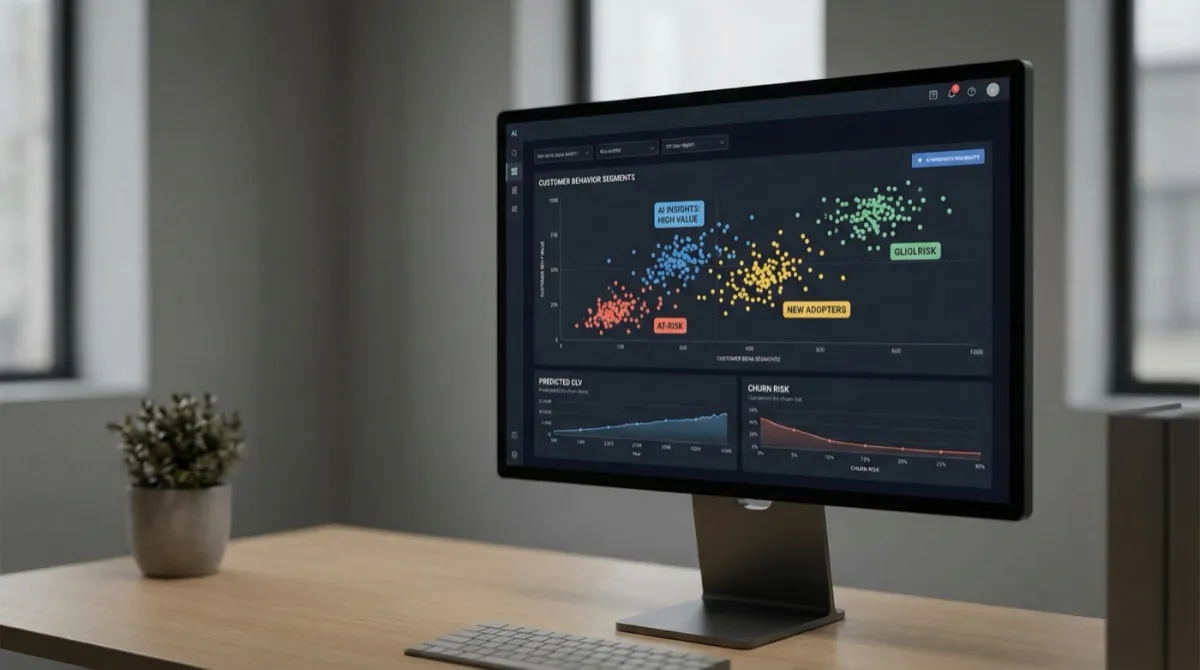
Parsing invoices and supplier documents at volume for retail and distribution operations, with extracted fields routed into downstream finance systems.
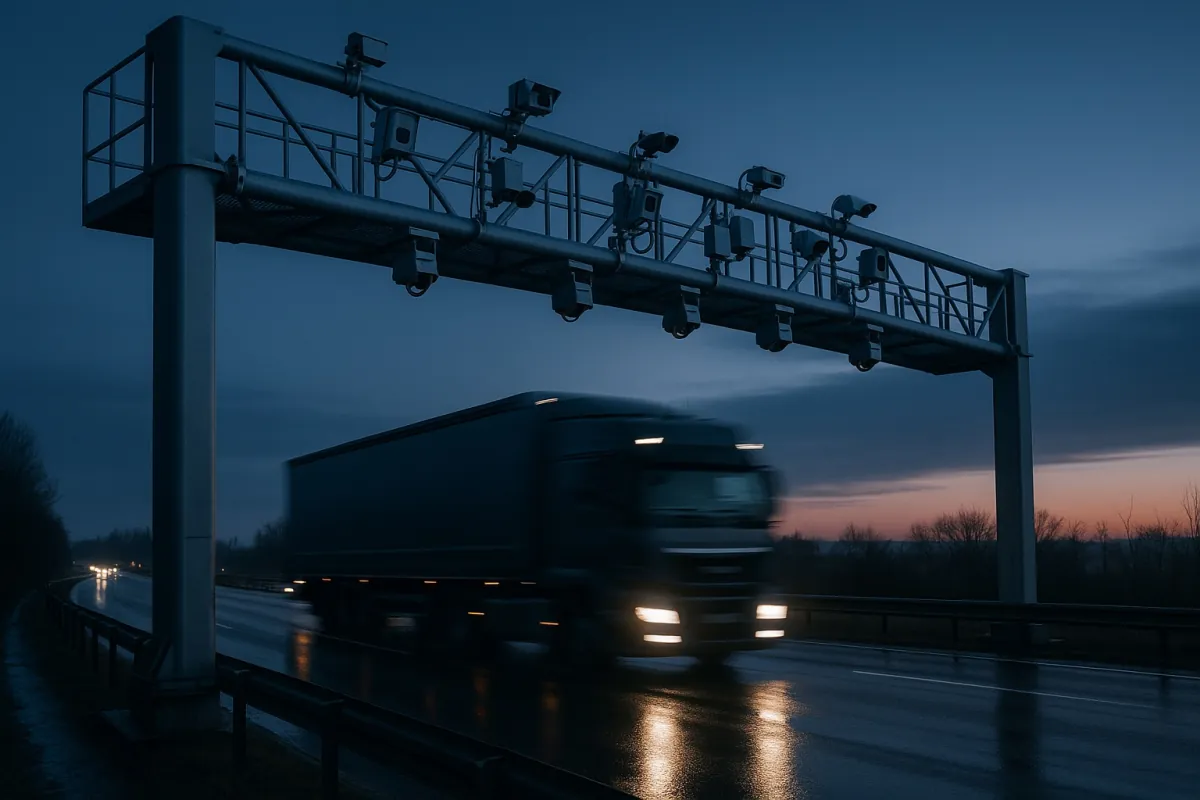
Extracting structured data from toll and infrastructure documentation, feeding the operational and audit records these systems rely on.
Custom AI models built inside European clouds, tuned to the accuracy bar audited workflows require, with no third-party dependency.

A custom classifier compared with Azure AI Document Intelligence on three datasets. Results apply to those tests.
94.7% vs 84.2% on one of three datasets
Speech-to-text and NLP turn recorded video interviews into structured, searchable candidate profiles, built on the client's own stack.
No manual form-fillingSelected reviews from clients and partners about working with DNA Solutions.
"Professionalism, speed, commitment to customer success, deep technical expertise."
"Collaboration with DNA is great they listen and know our industry inside out and they are both reactive to requests and proactive with ideas and proposals"
What clients ask about accuracy, hyperscaler independence and AI Act compliance.
DNA Solutions builds pipelines for invoices, contracts and scanned records, and for the mixed document flows enterprise operations generate day to day. Our team trains a classification model per document type, then extract the structured fields each type carries: dates, parties, amounts, totals and reference numbers, into your downstream systems. The pipeline is sized to the document classes your workflow processes most, so accuracy holds on the formats that matter. When a new document type appears, we add a class and retrain on the existing pipeline. Every extracted field traces back to its source document, which is what lets the output stand up under audit.
DNA Solutions develops custom document classifiers and evaluates them on representative data. In the published Canon benchmark, the classifier scored higher than Azure AI Document Intelligence on two of three tested datasets and tied on the third. The 94.7% versus 84.2% comparison refers to one dataset. Hosting, OCR, integration and compliance require separate evaluation.
The pipeline combines OCR with Tesseract for text recognition, word2vec and tf-idf for feature extraction, and an SVM classifier tuned per document type. We select established components that fit the document set, which keeps the pipeline explainable: we can trace why a given document was classified the way it was. That matters when an auditor or a domain expert questions a decision. We run the stack on your own cloud account or on-premise environment, with no proprietary license locking you in, and every stage feeds search, indexing and audit trails. When the document mix shifts, we retrain or adjust the affected stage on the existing pipeline.
Yes. The parsing pipeline is built to process invoices and structured documents at volume, extracting line items, totals and reference fields automatically into downstream systems. We tune the feature extraction to the recurring formats your operations generate, so throughput stays consistent as volume grows and the extracted fields remain traceable back to the source document for audit. We size the pipeline to your production volumes and validate it on a sample of your own invoices before any wider rollout, so the throughput you see in production matches what we measured. Where a value carries cost, low-confidence extractions route to human review before they move downstream, and those corrections feed back into the model. The pipeline absorbs your invoice volume without manual re-keying, while keeping the audit trail intact.