€1M
Annual savings across European clients
Software licensing savings of up to €1M per year for some of our clients.
Unifying core IT platforms through automated ETL pipelines and event-driven architectures. DNA Solutions connects ERP, financial, and operational systems already running in production, so data moves between them without manual exports.
We design technology that lands on your bottom line. European enterprises trust us with extreme data volumes and critical financial pipelines.
A senior team of engineers and consultants across Europe.
Software licensing savings of up to €1M per year for some of our clients.
We built and maintain a Deloitte-audited billing platform processing €300M in audited transactions every month.
Several clients have worked with DNA Solutions for six years. We continue to develop and support their software as their needs evolve.
The systems we connect are already in production, and they stay live while we work. Each new flow runs in parallel with the existing one and only takes over once its records match. Retry policies, dead-letter queues and fallback mechanisms mean a temporary outage on one system does not lose data.
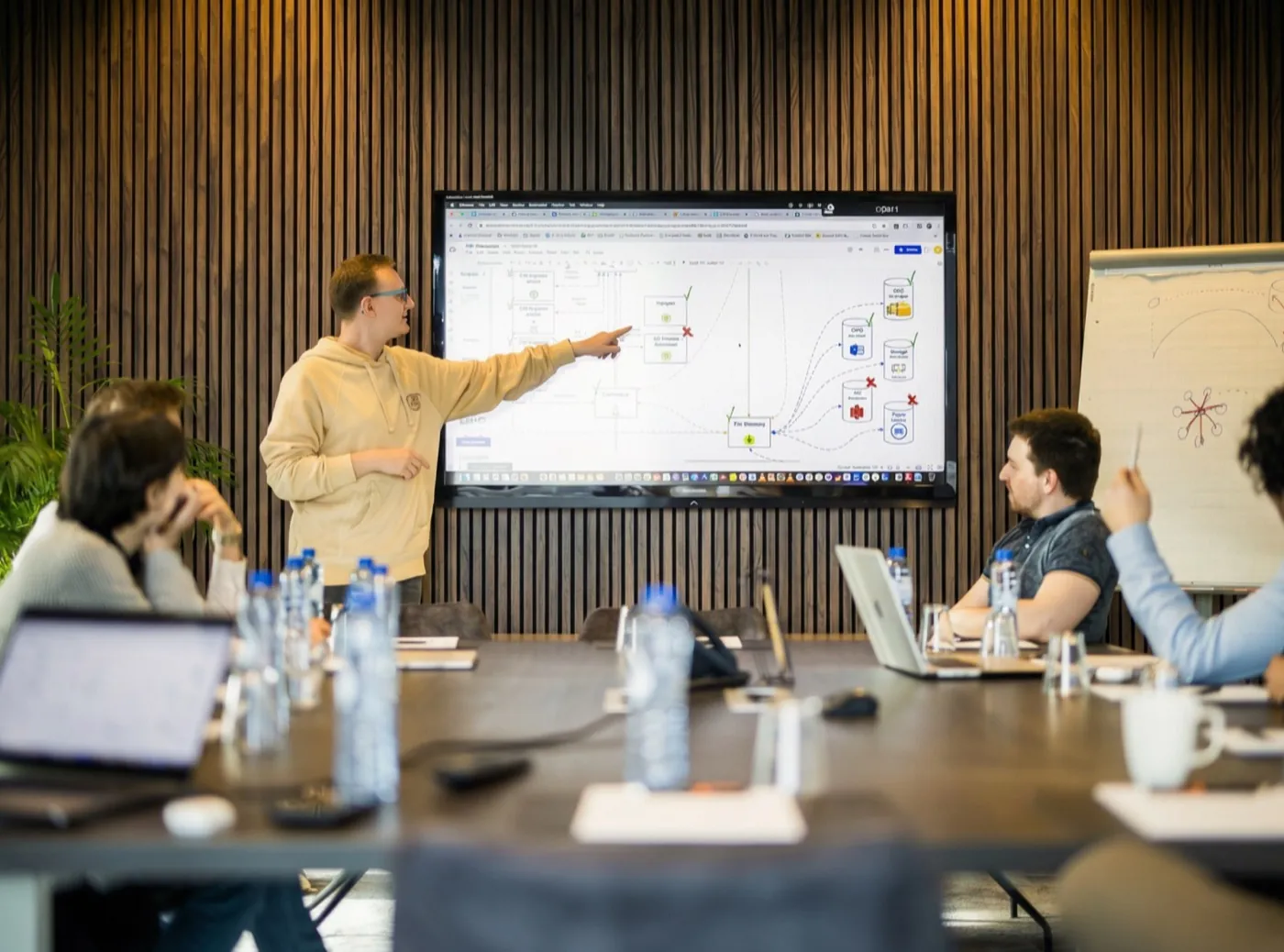
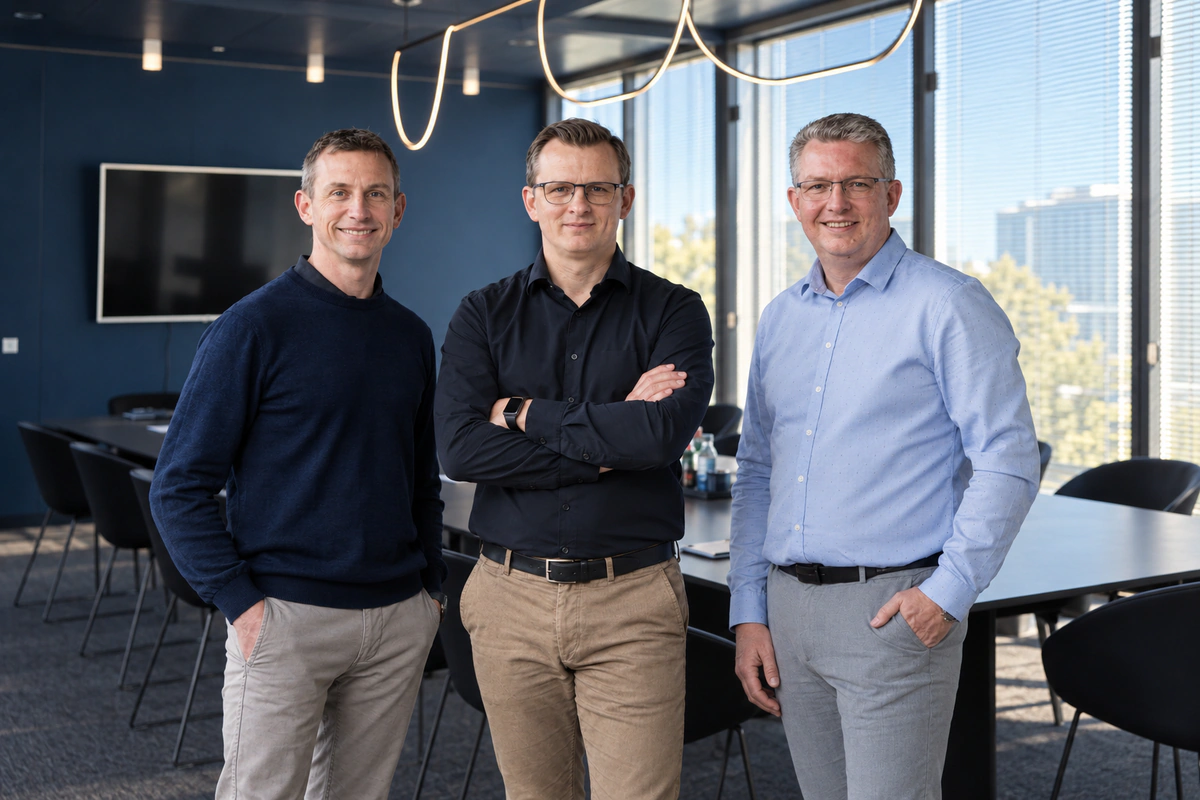
The systems are already live, so the work is about moving data without stopping anything. Here is how we do it.
Most of our integration work connects platforms that are already live. We build pipelines and integration layers around running systems, so operations continue and there is no big-bang cutover. The new pipeline runs in parallel with the existing flow, and reconciliation checks compare both outputs before anything switches over.
We build event-driven ETL pipelines that move data between systems in real time, using message-based architectures like Kafka and equivalents. This keeps platforms in sync and absorbs format changes without breaking downstream systems. Built-in retry policies, dead-letter queues and fallback mechanisms mean a temporary downtime on one system never results in lost data.
We connect ERP systems with the financial and operational platforms around them, so records no longer have to be exported and re-entered by hand. A data flow only moves onto the new path once its records match, which keeps financial reporting reliable during the work.
We integrate and modernize OSS/BSS systems for European telecom operators, from charging and billing flows to provisioning. This includes engagements at T-Systems, with senior team experience on telecom charging systems prior to founding our company. We connect the operational and business support layers so subscriber data, charging events and provisioning stay consistent across the stack.
Our integration work rests on three building blocks: an integration layer for ERP and business applications, OSS/BSS integration for telecom operators, and event-driven ETL pipelines that keep platforms in sync.
What We BuildWe connect ERP and business applications through an integration layer. Data validation, format translation and traceable exception handling support consistent records and reduce manual transfers. Failed records can be reviewed and corrected without replaying the whole exchange, while clear ownership and monitoring help teams maintain the connection over time.
Integrating and modernizing OSS/BSS systems for telecom operators, from charging and billing flows to provisioning. Engagements at T-Systems, with senior team experience on telecom charging systems before founding our company.
Building event-driven ETL pipelines that move data between systems in real time. We use message-based architectures like Kafka to keep platforms in sync and absorb format changes without breaking downstream systems.
Telecom, tolling and retail run different platforms and data flows. The same ETL and event-driven core connects them, configured to each.
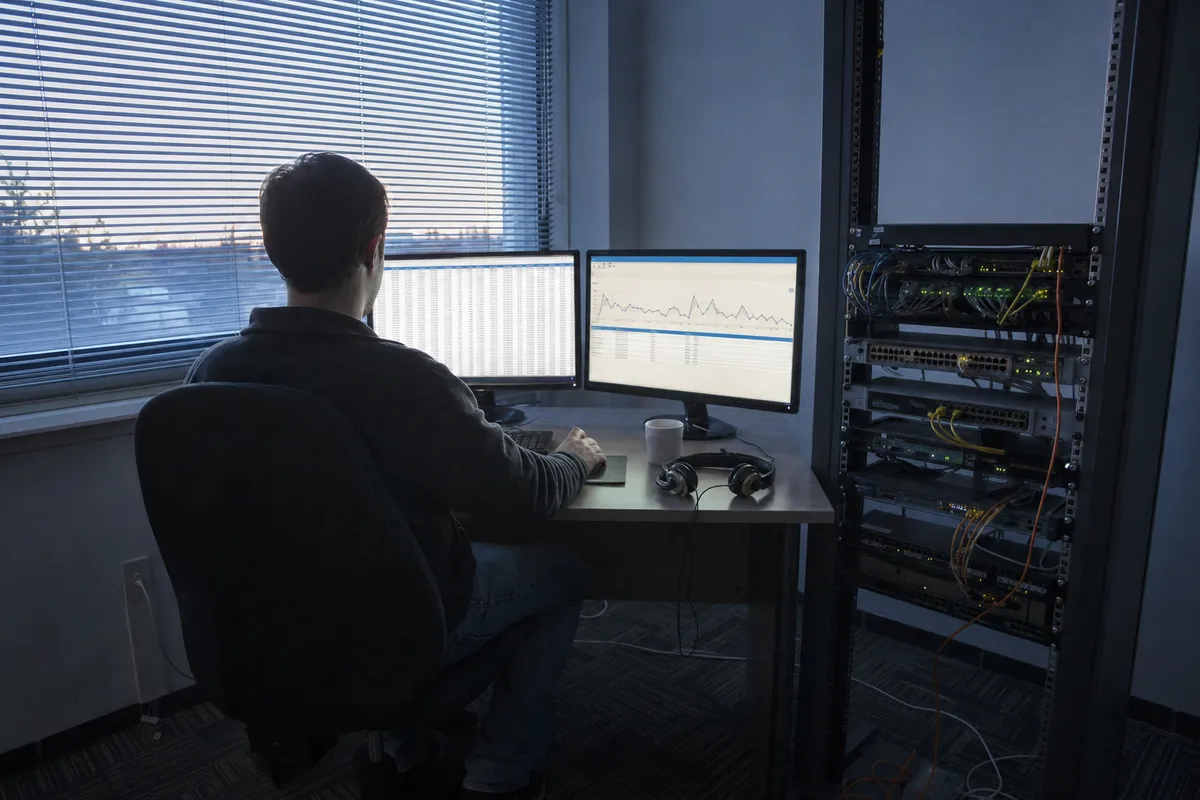
OSS/BSS integration, charging and billing flows, provisioning. Engagements at T-Systems and across European telecom operators.

Integration for the back office that records and invoices passages, connected to the ERP and business applications around it.
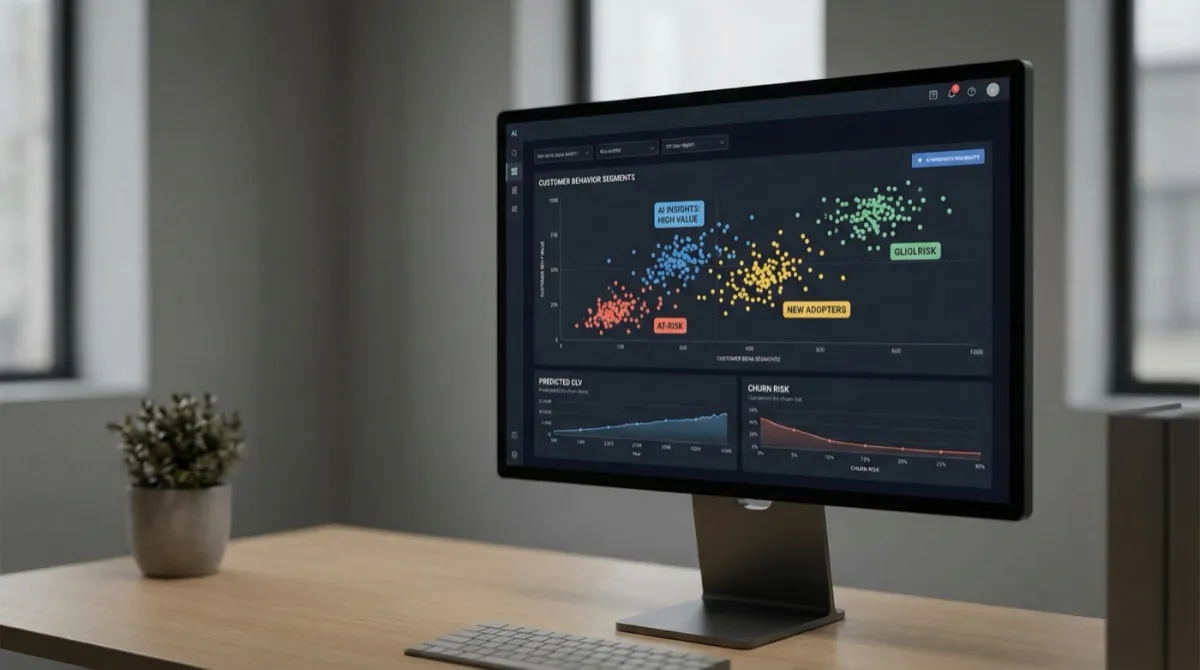
Integrating ERP, point-of-sale, and operational data for retail operations, so stock, sales and finance run on one consistent flow.
How we connect ERP, financial, and operational platforms for European enterprises.
Selected reviews from clients and partners about working with DNA Solutions.
"Collaboration with DNA is great they listen and know our industry inside out and they are both reactive to requests and proactive with ideas and proposals"
The questions we hear most when connecting systems already in production.
DNA Solutions integrates ERP and financial systems, telecom OSS/BSS platforms, toll back-office systems, and ERP, point-of-sale and operational data in retail. Most of this work connects platforms that are already live. We use the same ETL and event-driven core for all of them, configured to each industry.
Yes. Most of our integration work connects platforms that are already live, and the systems stay in production throughout. We build the pipelines and integration layers around running systems, so operations continue while the connection is put in place. We never run a big-bang cutover. The new pipeline runs in parallel with the existing flow, and reconciliation checks compare both outputs before anything switches over. We only move a data flow onto the new path once its records match, which keeps daily operations and financial reporting out of harm's way during the work. Built-in retry policies, dead-letter queues and fallback mechanisms mean a temporary downtime on one system never results in lost data. Expect a phased rollout rather than a single switch date.
We integrate existing systems rather than rebuilding them. Custom Software Development is about building new platforms from scratch; system integration is about connecting the platforms you already run, so they share data and stay consistent. We do both, on separate engagements, and the right path depends on what you already have in production. When a working system holds the data and the logic you depend on, integrating around it is usually faster and lower risk than rewriting it. When the existing platform cannot support what you need, rebuilding it becomes the better option. In practice many engagements combine the two: we integrate the systems that stay, and rebuild only the parts that have to change. We help scope which is which before any code is written.
Yes. The integration layer checks each record and translates it into the format the ERP expects before it is written. Records that fail are held back for review, corrected, then sent again without replaying the whole exchange. Monitoring shows the state of each connection, so your team can follow it over time.