€1M
Annual savings across European clients
Software licensing savings of up to €1M per year for some of our clients.
AI development starts with your workflow, data and existing systems. Define a useful task, evaluate it on representative data, then agree integration and operating requirements.
We start from the data and the decision the system must support. The proposed scope can include document structure, retrieval, model evaluation and integration with existing applications. Success criteria, human review and operating responsibilities are defined before wider deployment.
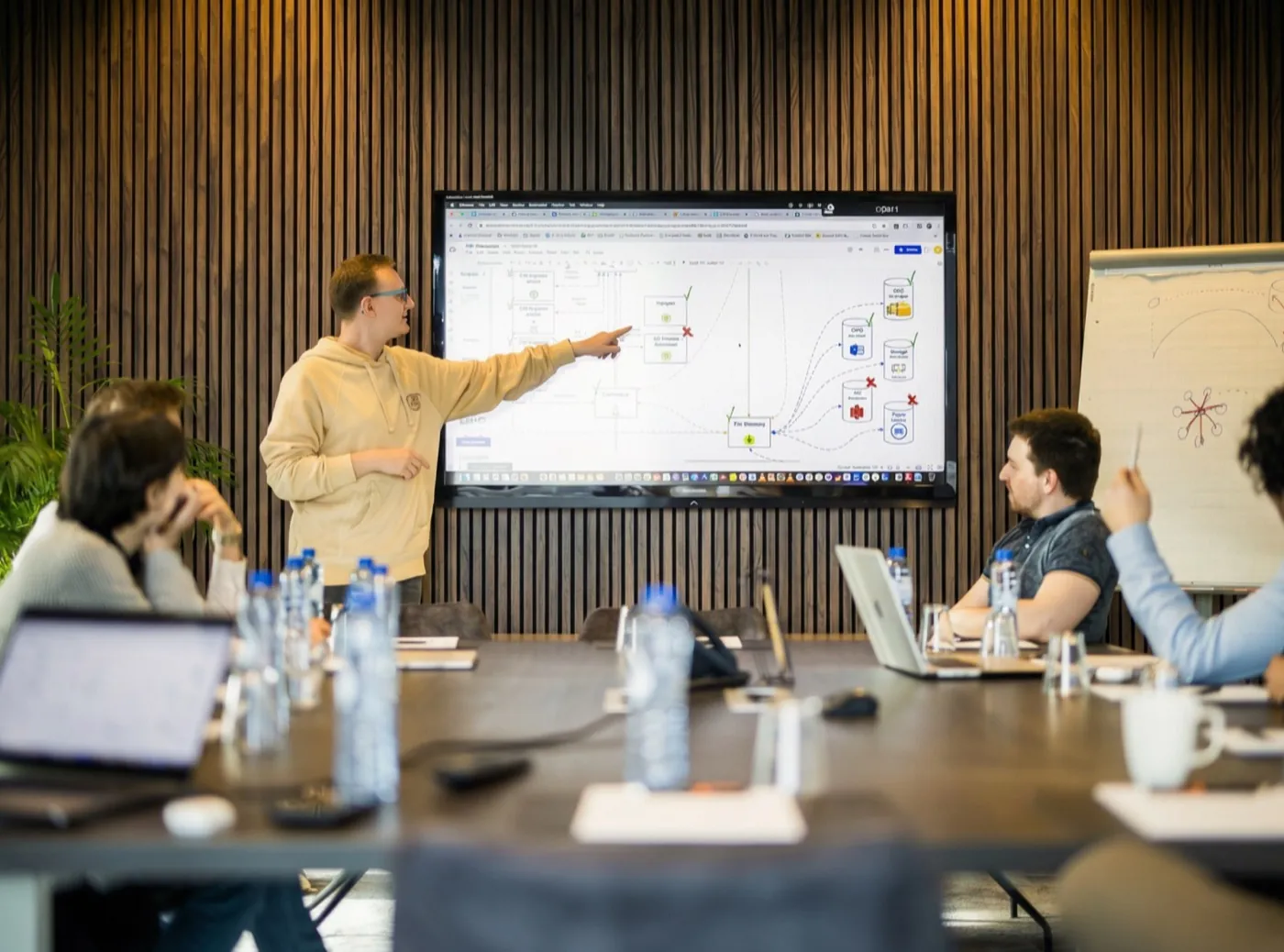
We design technology that lands on your bottom line. European enterprises trust us with extreme data volumes and critical financial pipelines.
A senior team of engineers and consultants across Europe.
Software licensing savings of up to €1M per year for some of our clients.
We built and maintain a Deloitte-audited billing platform processing €300M in audited transactions every month.
Several clients have worked with DNA Solutions for six years. We continue to develop and support their software as their needs evolve.
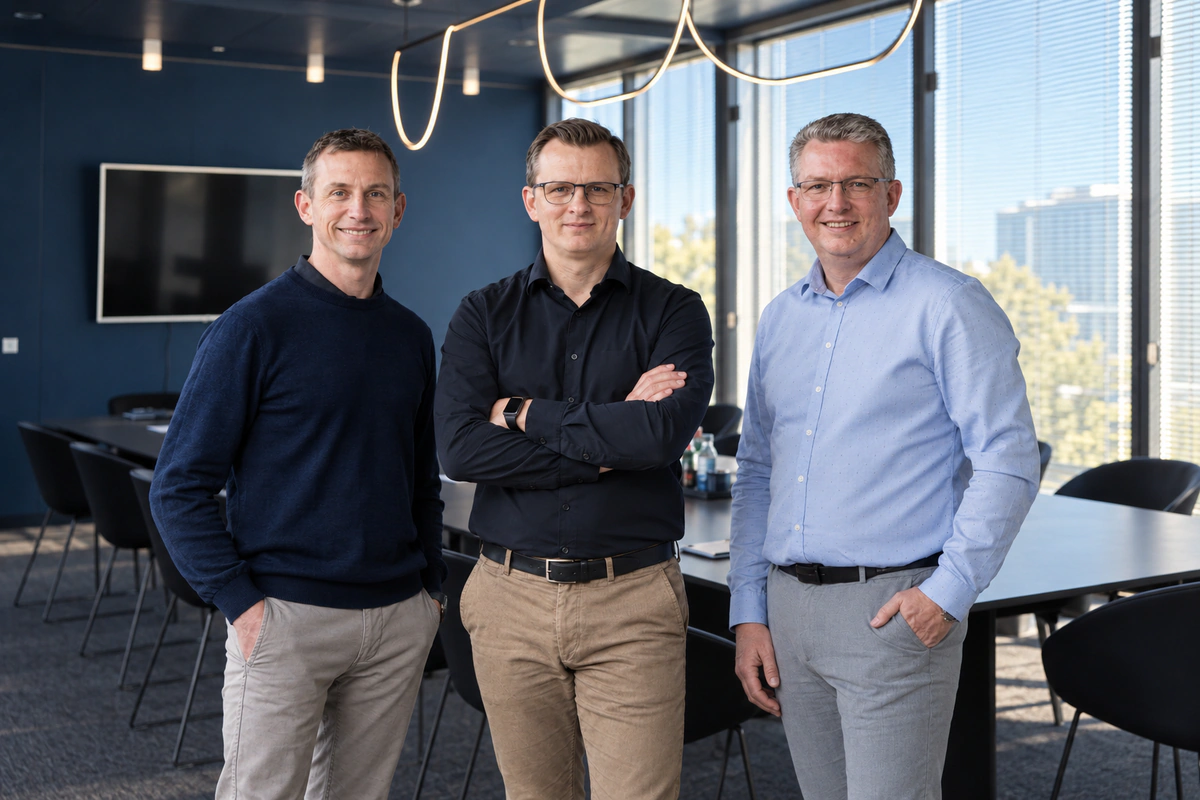
Getting a model into production is mostly the work that happens before and after it. These are the steps we follow, in order.
Assess classification and extraction separately using representative documents and agreed error criteria. Identify document types, scan quality and required outputs before selecting a model. Define human review for uncertain results and validate the downstream integration. A classification benchmark alone does not demonstrate extraction accuracy or production readiness.
Machine learning models for operational forecasting, built on top of consolidated data pipelines. We treat the data layer first, then the model, because a forecasting model is only as reliable as the pipeline feeding it. Models are trained, validated and monitored on your own historical data, and stay inside your environment alongside the operational systems they support.
We integrate AI into the systems you already operate, including Oracle and SAP, rather than adding standalone tools alongside them. Models connect to your data sources and internal applications through stable, documented interfaces, so AI becomes part of the production path instead of a parallel experiment.
For regulated industries, deployment happens inside your environment under GDPR and EU AI Act constraints, with no dependency on external LLM providers in the production path. Documents and embeddings stay in your infrastructure, with no data sent to external LLM APIs.
We engineer private AI that runs inside your infrastructure and integrates with the systems you already operate. From retrieval-augmented generation to custom model integration, our work starts from the data layer.
What We BuildRetrieval-augmented generation deployed inside your infrastructure. Your documents and embeddings stay in your environment, with no data sent to external LLM APIs. Suited to regulated sectors under GDPR and EU AI Act constraints.
Integration of language models into your existing applications and workflows. We connect models to your data sources, Oracle and SAP systems, and internal tools, with the option to run open-weight models on private cloud rather than third-party APIs.
Scoping and feasibility for enterprise AI projects. We assess your current stack, identify where AI adds measurable value, and define the data and infrastructure work required before any model is built.
The same private-deployment and integration core sits under very different inputs in telecom, retail and tolling. We fit it to each sector's documents and constraints.

Document classification, OSS/BSS data integration, and predictive analytics for telecom operators. Engagements include T-Systems and Deutsche Telekom.
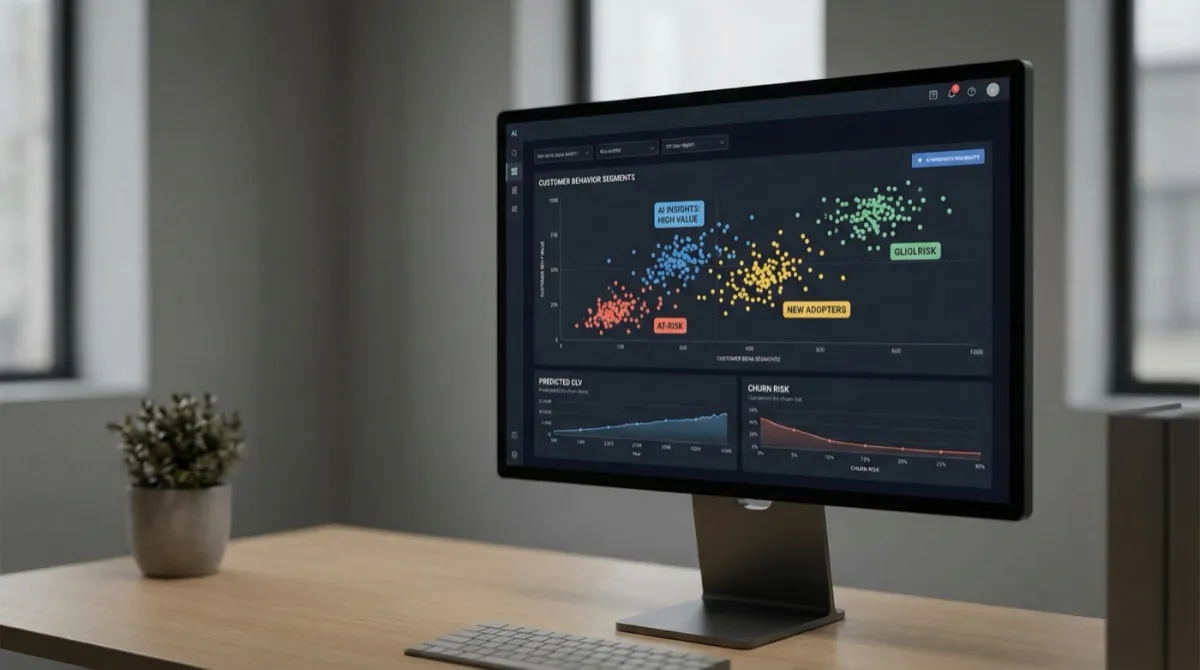
AI customer segmentation and demand forecasting for retail and distribution operations, built on consolidated data pipelines.

Predictive analytics and document processing for toll and road operators, integrated with existing data platforms.
How we deploy private AI and machine learning models inside the infrastructure of European enterprises.

A custom classifier compared with Azure AI Document Intelligence on three datasets. Results apply to those tests.
94.7% vs 84.2% on one of three datasets
A semantic matching engine that goes beyond keywords, ranking candidates against roles using vector search.
Vector search, beyond keywordsSelected reviews from clients and partners about working with DNA Solutions.
"Professionalism, speed, commitment to customer success, deep technical expertise."
"Collaboration with DNA is great they listen and know our industry inside out and they are both reactive to requests and proactive with ideas and proposals"
"The real connection between sales and project delivery. Most IT companies have salespeople who communicate poorly or not at all with the people who actually build the solution; at DNA, that is really not the case."
The questions we get most when AI has to run inside a regulated environment.
Yes. We build private deployments that run inside your environment, including private RAG where your documents and embeddings stay in your infrastructure, with no data sent to external LLM APIs. This keeps your data under your own governance and lets us deploy under GDPR and EU AI Act constraints. Where it fits, we run open-weight models on your private cloud rather than calling third-party APIs, so you control which model version is in production and where data lives. Retrieval runs against your own document store, and access follows the same permissions as the source systems, so a user only ever sees what they are already entitled to. To start, we typically scope a contained use case, prove the accuracy and data boundaries, then widen from there.
Yes. DNA Solutions integrates language models and machine learning into the systems you already operate, including Oracle and SAP, rather than adding standalone tools alongside them. Models connect to your data sources and internal applications through stable, documented interfaces, so AI becomes part of your production path instead of a parallel experiment. Our team brings deep experience integrating enterprise data platforms across European telecom and infrastructure clients, which lets us connect models to legacy estates without disrupting the systems on top of them. We treat the integration layer as a product in its own right, with versioned interfaces and monitoring, so a model can be updated or replaced without rewiring the systems around it. The data layer comes first: we consolidate the inputs a model depends on before connecting it.
DNA Solutions develops custom document classifiers and evaluates them on representative data. In the published Canon benchmark, the classifier scored higher than Azure AI Document Intelligence on two of three tested datasets and tied on the third. The 94.7% versus 84.2% comparison refers to one dataset. Hosting, OCR, integration and compliance require separate evaluation.
We build private deployments for GDPR and EU AI Act constraints, with no dependency on external LLM providers in the production path. Data stays inside your environment, model versions are pinned and documented, and the integration layer keeps audit lineage consistent with the rest of your stack, so an external auditor can trace which model and data produced a given output. Data sovereignty is the starting point: documents and embeddings remain in your infrastructure under your own access control, never leaving for a third-party API. The EU AI Act adds obligations around documentation, traceability and human oversight depending on how a system is classified, and pinned versions with full lineage make those obligations auditable. For regulated industries, this is the difference between an experiment and a system you can run in production.