€1M
Annual savings across European clients
Software licensing savings of up to €1M per year for some of our clients.
Applying machine learning models to enterprise data to predict maintenance and revenue trends. DNA Solutions builds forecasting pipelines on top of existing data platforms, from fleet maintenance windows to telecom churn.
DNA Solutions builds predictive analytics on top of the data platforms we already deliver for European operators. Models are trained on your historical operational data, validated against past outcomes, and deployed inside existing pipelines.
Forecasts on equipment failures, demand variation, and customer churn reach the teams that act on them. Once live, accuracy is tracked over time, so a model that drifts is flagged and retrained rather than left to degrade as operations change.

We design technology that lands on your bottom line. European enterprises trust us with extreme data volumes and critical financial pipelines.
A senior team of engineers and consultants across Europe.
Software licensing savings of up to €1M per year for some of our clients.
We built and maintain a Deloitte-audited billing platform processing €300M in audited transactions every month.
Several clients have worked with DNA Solutions for six years. We continue to develop and support their software as their needs evolve.

A forecast is only useful once a team trusts it enough to act. Here is how we get a model to that point.
Predictive analytics starts from the operational data you already collect: sensor and usage logs, billing records, maintenance history. Before any model is trained, our team reviews the available data and its quality, then scopes which forecasts are feasible on it and which need additional collection first.
A forecast is only useful if it holds up. Each model is validated against historical outcomes before it reaches production: predicted failures against actual failures, forecast demand against recorded demand. Accuracy is tracked over time so the model can be retrained as operations change, and so teams know how much confidence to place in each prediction.
Models run inside existing data pipelines and the systems your teams already use. Maintenance schedules adjust before failures, capacity planning uses demand projections, and retention teams receive churn scores for their accounts. Each prediction appears where decisions happen, rather than in a separate dashboard.
We train custom models where the use case requires it, and use established machine learning libraries and managed cloud services where they fit. The choice is driven by the problem at hand, so the forecasting layer stays maintainable and your team can extend it once it is in production.
DNA Solutions builds forecasting models on top of the data platforms we deliver for European operators. From maintenance prediction to churn scoring and demand modeling, each model runs where operational teams already work.
What We BuildModels trained on sensor and maintenance history to forecast equipment failures before they happen. Concreteasy, the fleet-coordination platform our team built, is designed to coordinate maintenance and dispatch across large vehicle fleets, and demonstrates the data architecture this kind of forecasting runs on.
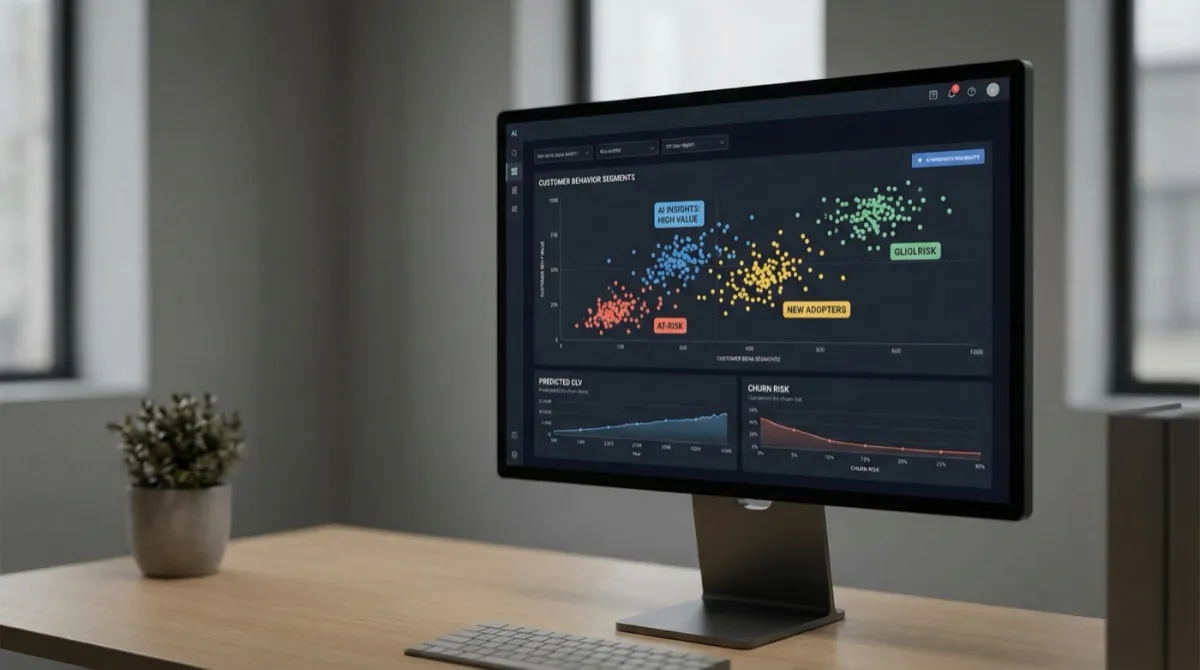
Churn models trained on usage and billing data to score accounts by attrition risk. Built on the telecom data pipelines we deliver for European operators, so retention teams receive churn scores where they already work.
Demand forecasting and revenue projection from historical usage data. Models support capacity planning, pricing decisions, and revenue assurance across high-volume operations.
Fleet, telecom and retail forecast different things from different data. One modeling and validation core, fitted to each sector's operations.
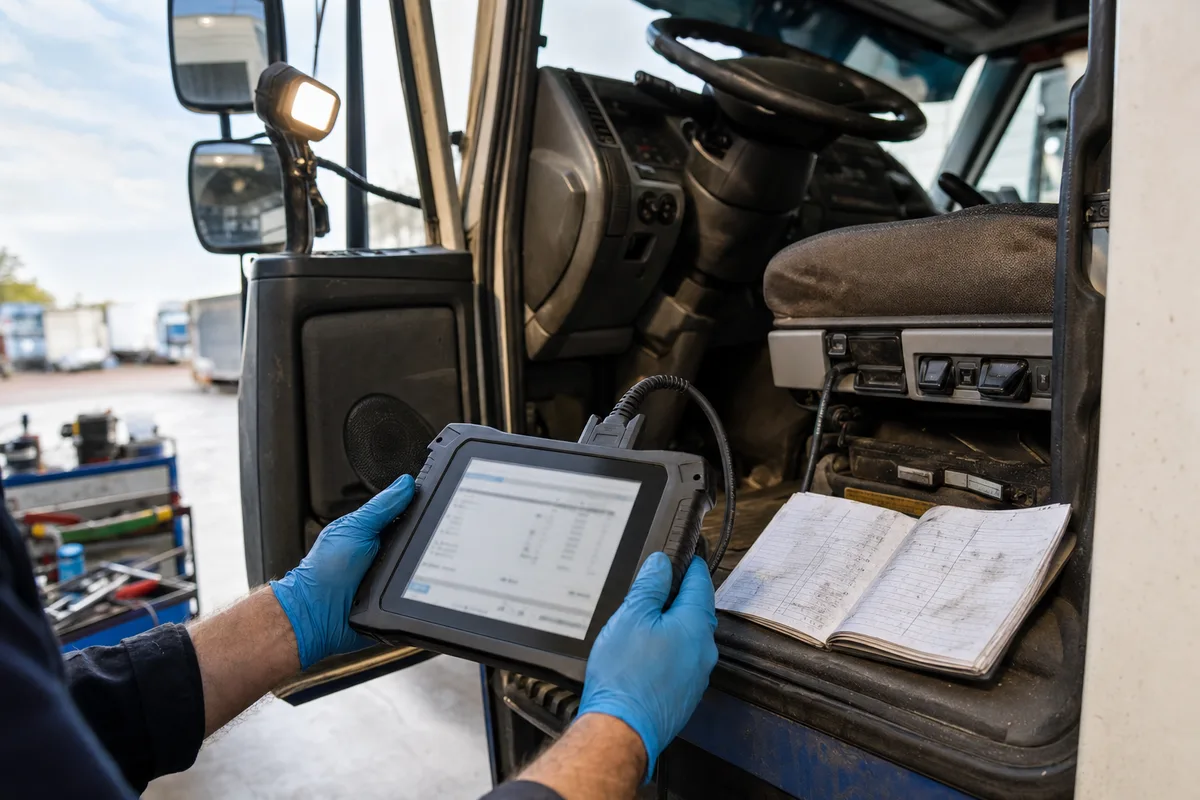
Predictive maintenance and dispatch forecasting for vehicle fleets. Concreteasy, built by our team, is designed to coordinate operations across large fleets and demonstrates the fleet-data architecture this work builds on.

Churn prediction and usage forecasting on top of telecom OSS/BSS and billing data. We deliver data platforms for European telecom operators.
Demand forecasting and inventory modeling for retail and distribution operations, where margins leave little room for stockouts or overstock.
How we build forecasting models and live analytics on the operational data of European enterprises.
Selected reviews from clients and partners about working with DNA Solutions.
"Collaboration with DNA is great they listen and know our industry inside out and they are both reactive to requests and proactive with ideas and proposals"
"Professionalism, speed, commitment to customer success, deep technical expertise."
"The real connection between sales and project delivery. Most IT companies have salespeople who communicate poorly or not at all with the people who actually build the solution; at DNA, that is really not the case."
What teams ask before forecasting on their own operational data.
We start from the historical operational data you already collect: maintenance logs, usage records, billing history, sensor output. A predictive model learns from the past to forecast the future, so the volume and quality of that history matter more than any single algorithm. The first step is a review of the data you hold, how far back it goes, how consistently it was recorded, and where gaps sit. From there, the team scopes which forecasts are feasible on the data as it stands today, and which would need additional collection or instrumentation before a reliable model can be trained. This keeps the work grounded in data that exists, and gives you a clear view of scope before any modeling begins.
Both. We train custom models where the use case requires it, and use established machine learning libraries and managed cloud services where they fit. A churn score on telecom accounts and a failure forecast on fleet sensors call for different approaches, so the method follows the problem rather than a fixed toolchain. Whichever route a model takes, it is deployed inside the data pipelines we already build for European operators, so forecasts reach the teams that act on them without a separate tool to maintain. Deployment is treated as part of the work: the model is packaged, monitored once it runs, and retrained as your operations change. Your team can extend or take over that layer once it is in production.
Each model is validated against historical outcomes before it reaches production. The data is split so the model is trained on one period and tested on another it has never seen, then its predictions are compared with what actually happened: predicted failures against recorded failures, forecast demand against recorded demand. That comparison gives a measurable error rate rather than a vague claim of accuracy, and sets the bar a model has to clear before it goes live. Once in production, accuracy is tracked over time, because operations shift and a model that fit last year can drift. When it does, the model is retrained on more recent data. The aim is a forecast accurate enough to act on, with its limits made explicit to the teams using it.
In most cases, yes. The forecasting pipelines we build run on top of the data infrastructure you already have, whether that is a data warehouse, a cloud platform, or the operational databases behind your systems. Predictive analytics is an application layer on existing data, so a separate platform is rarely needed to get started. We begin by reviewing what is in place and how the relevant data flows through it, then build the modeling and deployment layer around that. Where the underlying platform needs work first, for example if data is fragmented across systems or not yet collected at the right granularity, that scope is handled by our Data Analytics and Cloud services, so you know upfront whether the foundation is ready or needs a step before forecasting begins.