€1M
Annual savings across European clients
Software licensing savings of up to €1M per year for some of our clients.
DNA Solutions migrates critical Oracle and SAP environments to modern architectures without disrupting ongoing operations. Our engineering teams validate the data row by row and remove technical debt across high-volume transaction pipelines.
High-volume environments cannot absorb the operational risk of a big-bang migration. DNA Solutions runs the legacy and target systems in parallel, synchronizes databases through Change Data Capture, and validates the output row by row before any switchover.
The migration stays reversible: the legacy system remains the source of truth until the new platform has proven itself on your real data. Our senior team has 15+ years of engineering experience across Oracle, SAP, and cloud platforms.
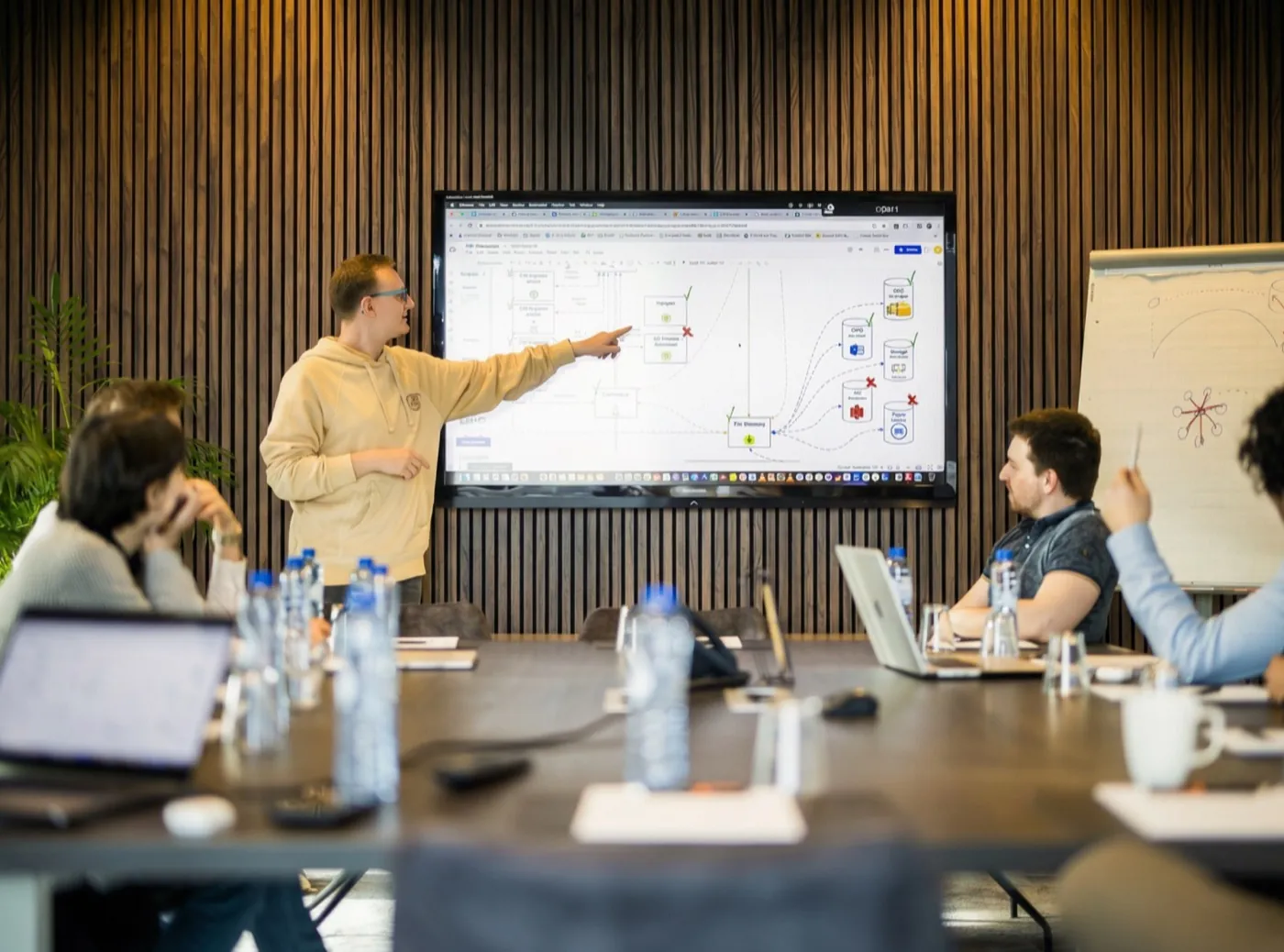
We design technology that lands on your bottom line. European enterprises trust us with extreme data volumes and critical financial pipelines.
A senior team of engineers and consultants across Europe.
Software licensing savings of up to €1M per year for some of our clients.
We built and maintain a Deloitte-audited billing platform processing €300M in audited transactions every month.
Several clients have worked with DNA Solutions for six years. We continue to develop and support their software as their needs evolve.
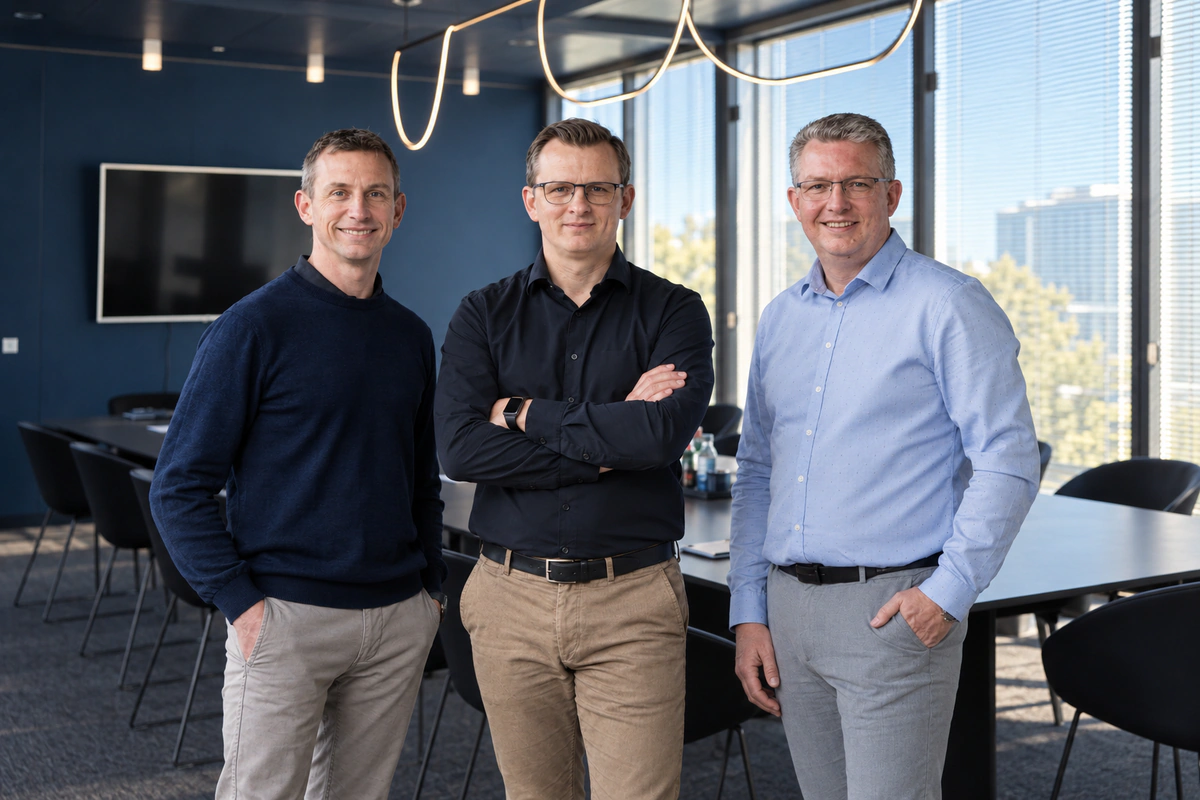
Legacy debt sits at the database and the application level. We work both, with continuity and vendor independence as fixed constraints.
We start by auditing large Oracle estates to map the schema, the dependencies and the workloads that carry the highest licensing cost. We then move those workloads onto PostgreSQL or cloud-managed databases, using Change Data Capture to keep source and target synchronized throughout the transition.
We run the legacy and target systems concurrently rather than switching over in a single step. Automated scripts compare the outputs of both systems row by row and confirm full reconciliation at every cycle, so any discrepancy surfaces before it reaches production.
We decouple tightly bound monolithic applications into independent services along clear domain boundaries. Each service owns its data and its deployment cycle, so your teams can scale individual components against their real load and ship targeted updates without triggering system-wide regressions.
Legacy estates often carry proprietary database and middleware licenses that no longer match actual usage. Our audit quantifies that footprint and identifies workloads that can move to PostgreSQL or cloud-managed databases without functional loss. We size the potential savings before committing to a target architecture, rather than carrying avoidable licensing costs into the new platform.
DNA Solutions modernizes critical Oracle and SAP environments for high-volume enterprises. From database migration to application decoupling, we remove technical debt while keeping operations running.
What We BuildWe audit large Oracle estates and identify reducible licensing costs. We map these workloads onto PostgreSQL or cloud-managed databases, using Change Data Capture for continuous synchronization throughout the transition.
We run the legacy and target systems concurrently. Automated scripts validate the outputs row by row and confirm full reconciliation before any client segment is permanently moved to the new architecture.
We decouple tightly bound monolithic applications into independent services. This lets enterprises scale individual components and deploy targeted updates without triggering system-wide regressions.
Telecom and tolling run transaction-critical systems that cannot stop. The modernization discipline holds across both; the events and regulations around it do not.
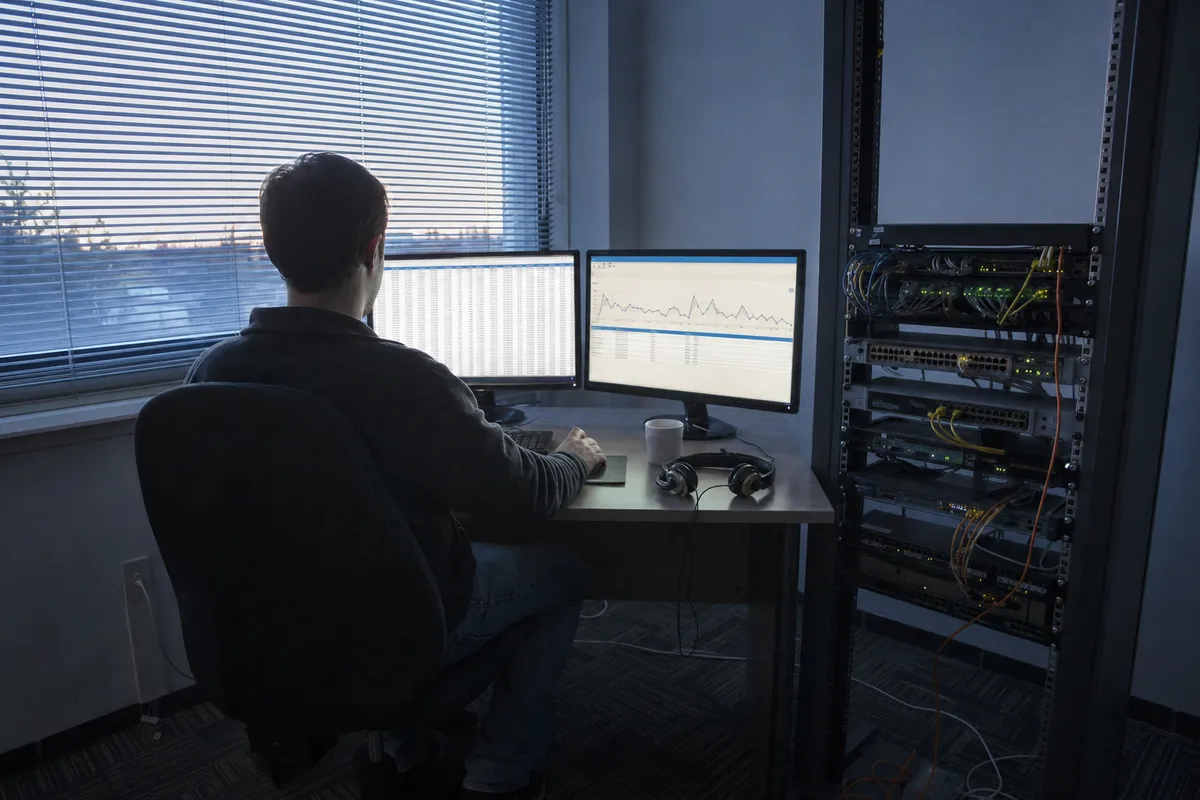
OSS/BSS, billing, and charging systems modernized for European telecom operators, with continuity on critical transaction pipelines.

Migration of toll and road-charging databases to modern architectures, with parallel running to keep collection systems available during switchover.
How we migrate and decouple critical systems for European enterprises without disrupting operations.
Selected reviews from clients and partners about working with DNA Solutions.
"Collaboration with DNA is great they listen and know our industry inside out and they are both reactive to requests and proactive with ideas and proposals"
"The quality of the people I worked with and the rigour of the project management. The company's very human side is also remarkable."
The questions that matter before touching a transaction-critical system.
We never run a big-bang cutover. We keep the legacy and target systems running in parallel and use Change Data Capture to keep the two databases synchronized while both stay available to your operations. At every billing or processing cycle, automated scripts compare the outputs of both systems row by row and confirm full reconciliation, so any discrepancy is caught before it can affect production. A client segment is migrated permanently only once the target system matches the legacy output to the cent. Because the legacy system remains the source of truth until that point, the migration stays fully reversible. This is how we keep transaction-critical environments available throughout the transition instead of betting everything on a single switchover window.
We focus on critical Oracle and SAP environments, including billing, charging, and high-volume data pipelines where downtime is not an option. On the database side, we map Oracle estates onto PostgreSQL or cloud-managed databases and use Change Data Capture for continuous synchronization during the move. On the application side, we decouple monolithic systems into independent services where doing so reduces operational risk and lets your teams deploy components separately. We also modernize the integration layer between these systems and the surrounding ERP and reporting stack. DNA Solutions brings 15+ years of engineering experience across these platforms, applied on billing, charging and data infrastructure for European operators, so the modernization path we propose is grounded in systems we have run in production.
It often can. In one engagement, we removed over €1M in yearly software licensing fees for a European enterprise client by modernizing legacy infrastructure. The work starts with an audit that maps the existing estate, quantifies the current licensing footprint and flags the workloads that carry the most cost without depending on proprietary features. We then identify which of those workloads can move to open-source or cloud-managed databases, typically PostgreSQL or a managed cloud database, without functional loss. Each candidate is migrated under the same parallel-running and reconciliation discipline we apply everywhere, so cost reduction never comes at the expense of data integrity. Because savings depend entirely on your current footprint, we size them during the audit phase and present them before any commitment, rather than promising a figure up front.
We migrate in stages, by client segment or workload, never in a single big-bang cutover. The sequence is planned during the audit so the lowest-risk workloads move first and the team builds confidence on real data before touching the most critical flows. Each stage is validated and reconciled against the legacy system, output by output, before it is moved permanently. Because the legacy and target systems run in parallel during this window, the impact of any issue is contained to the segment being migrated, and a rollback affects only that segment. For a full enterprise migration from a legacy Oracle or SAP estate, expect the program to span several months of phased moves rather than a single release. This keeps high-volume, transaction-critical environments available throughout the migration cycle.